2024 Jones Lake Management Catalog, Services, Fish
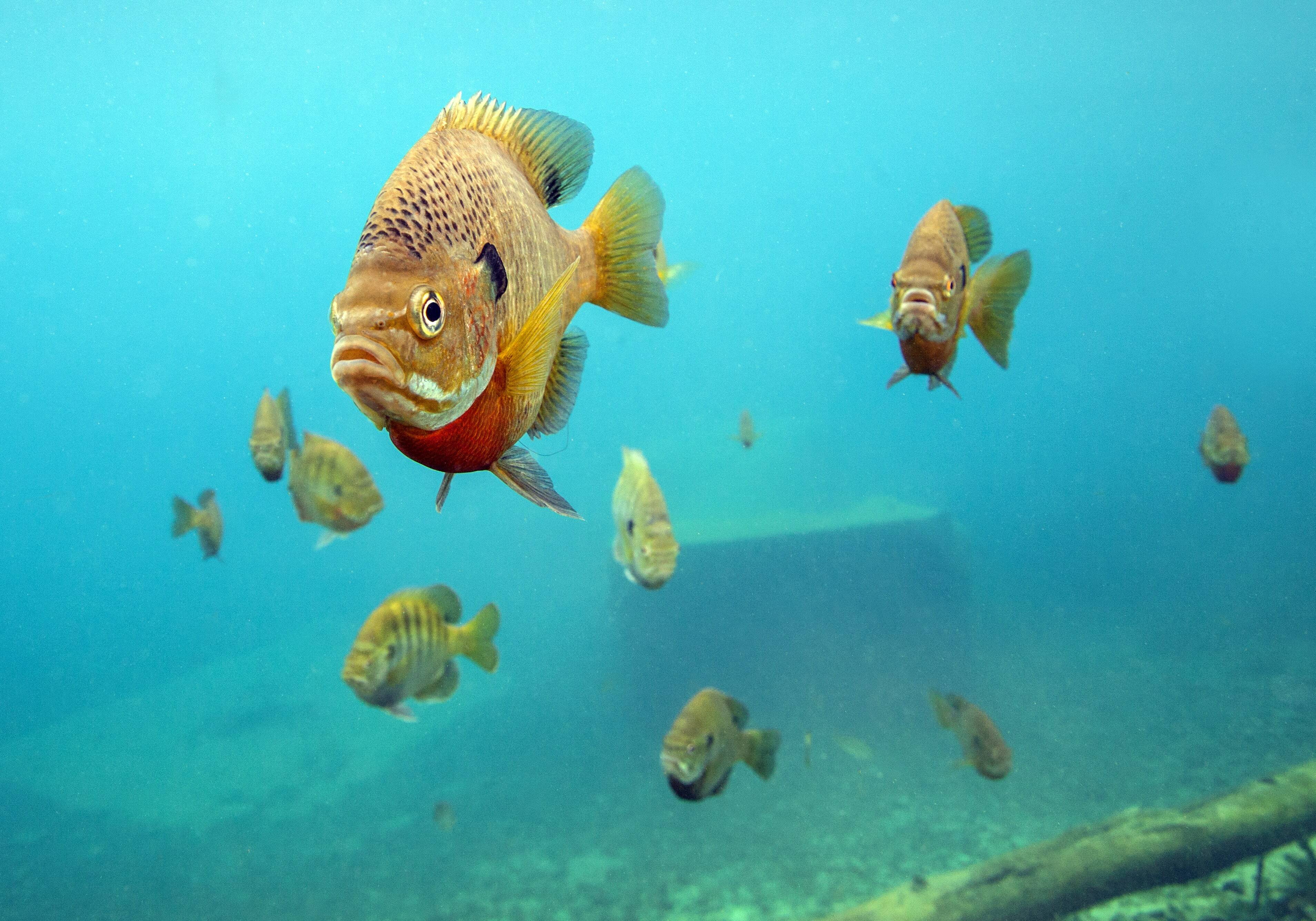
As the season shifts to the cooling embrace of September, it's an opportune time to discuss changes in Midwestern ponds and lakes and how these changes affect fish like largemouth bass, bluegill sunfish and forage fish. Diminishing daylight hours lea...
Transforming your pond or lake into a thriving aquatic ecosystem requires both thoughtful planning and integrated management strategies. At Jones Lake Management, we have a long history of fisheries management and understand the importance of stockin...
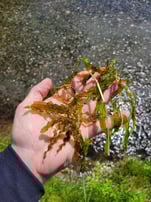
Understanding seasonal behavior of aquatic weeds and their roles in an ecosystem can help us better understand risks and realistic management expectations. This month we’re focusing on the fascinating behavior of a tiny, yet impactful, aquatic plant:...
Ponds and lakes offer wonderful recreational opportunities including fishing, boating and swimming. When enjoying the water this summer, it’s important to be aware of harmful algal blooms (HABs). While most algae blooms are green algae and not harmfu...
Tilapia: A Seasonal Ally in the Fight Against Weeds and Algae When it comes to controlling unwanted aquatic vegetation, the best strategies go beyond quick fixes—they focus on long-term balance. At Jones Lake Management, we take a science-based, inte...
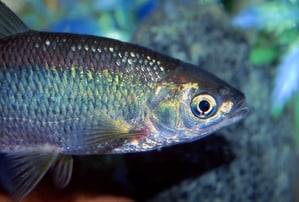
Grass carp are a non-native herbivorous species. As one of the largest members of the minnow family, these fish are silvery to olive in color with large scales along their body. Native to eastern Asia, they were originally imported in the ‘60s to hel...
As temperatures warm, many of us are eager to spend time outside getting the pond ready for spring. Like considering the nutrient ratio of your soil to achieve a lush lawn, it’s important to be aware of how an abundance of nutrients, such as phosphor...
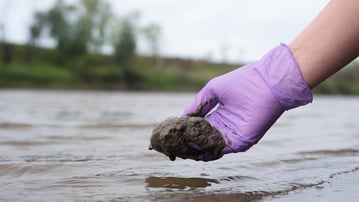
Eutrophication is a normal part of the pond aging process. It’s defined as the gradual increase of phosphorus, nitrogen, and other nutrients in an aging water body. This process occurs as organic material and sediment accumulate in the pond and nutri...
After a summer of long, hot days, the surface waters in ponds and lakes are very warm. This warmer water is physically lighter and essentially “floats” on top of the dense colder water at the bottom. The area that separates these warmer surface water...
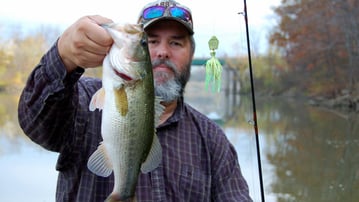
Fall is an excellent time to stock fish. Not only do cooler water temperatures reduce stress on fish during seining and handling, but they also help fish acclimate more quickly to your pond. After a summer of fishing at your pond or lake, you should ...
The food web in your pond or lake may seem simple, but there’s probably more going on than you may realize at first glance. The base of the food web is a single-celled algae called phytoplankton. Phytoplankton is not only a main contributor of oxygen...
We don't just manage your pond or lake; we transform it into a beautiful, thriving ecosystem. It's what we love to do.