Blog


As sediment and nutrient-rich muck gradually reduce depth and circulation in lakes and ponds, lake & channel hydraulic dredging offers a low-impact, proven way to restore water quality, depth, and long-term lake health.
What is Lake & channel hydraulic dredging?
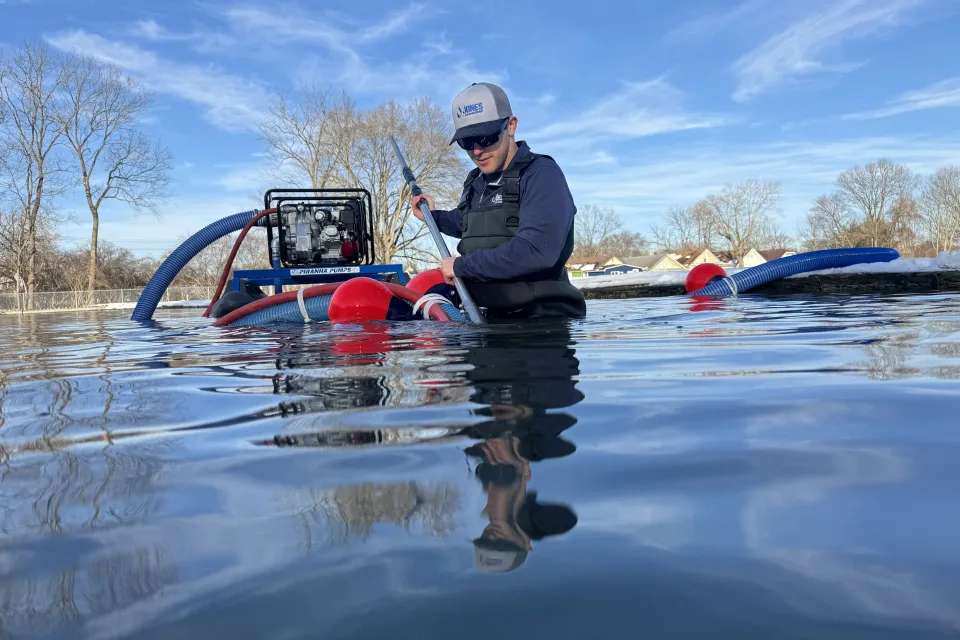
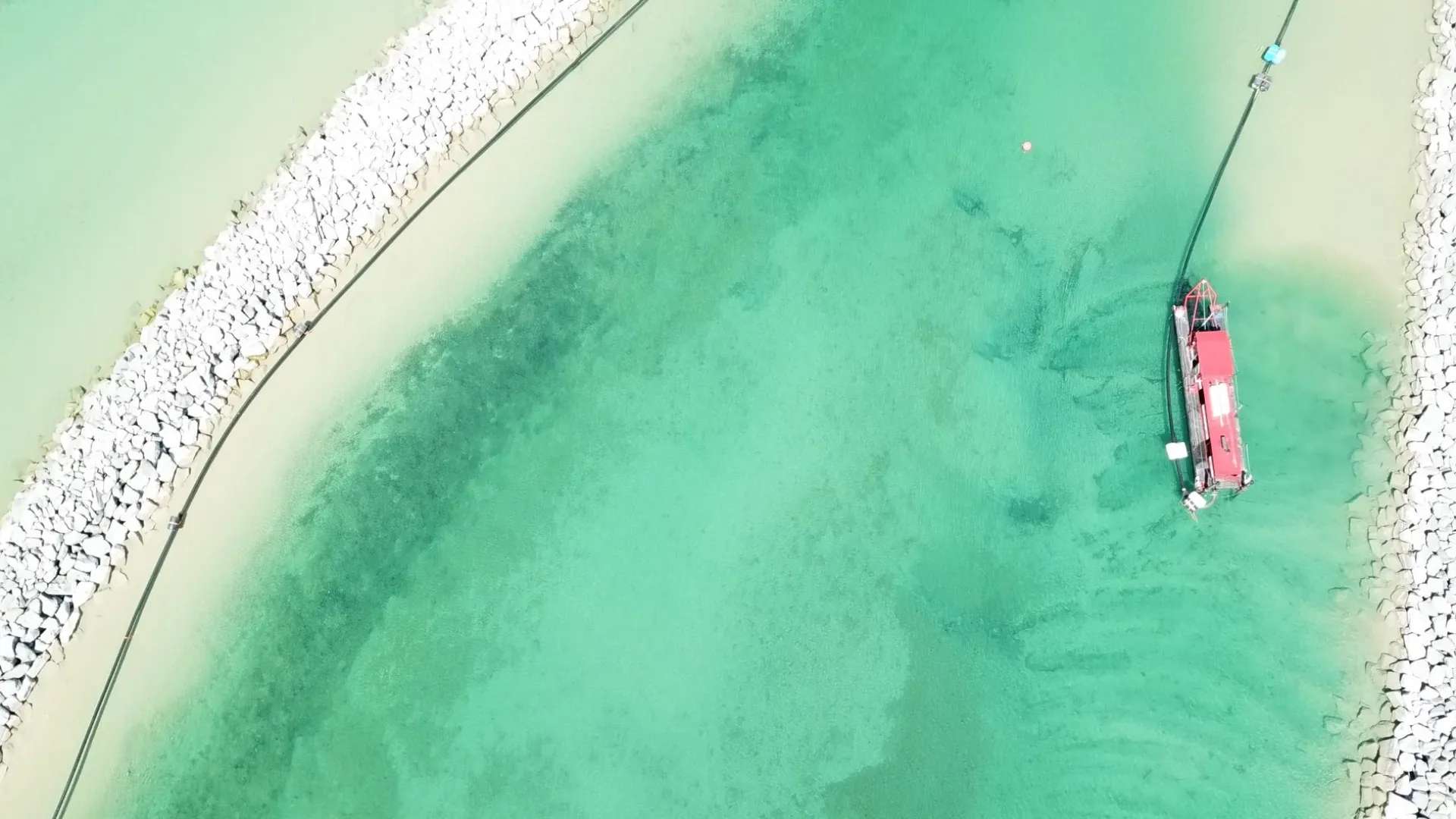
Lake & channel hydraulic dredging is the process of removing accumulated sediment, organic matter, and debris from larger areas of lakes, ponds, or navigation channels using high-capacity suction equipment. The material is pumped as a slurry to a designated settling or dewatering site, allowing sediment removal with minimal disruption to shorelines, infrastructure, and surrounding habitat.
IDEAL FOR:
What we do
Dredging removes built-up sediment to return lakes and canals to their original depth. That means safer, more reliable boat traffic and more fun over a longer season.
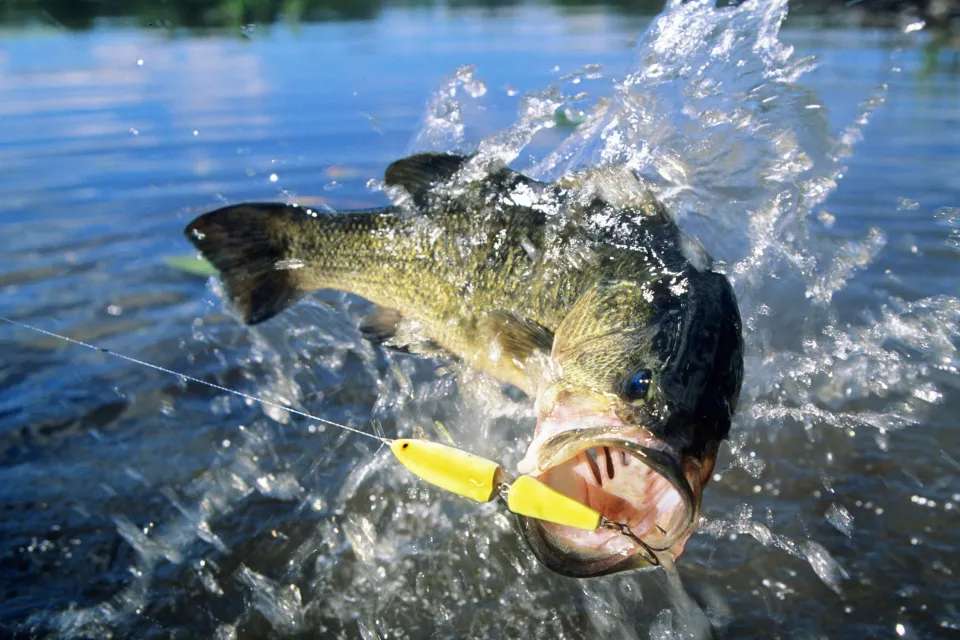
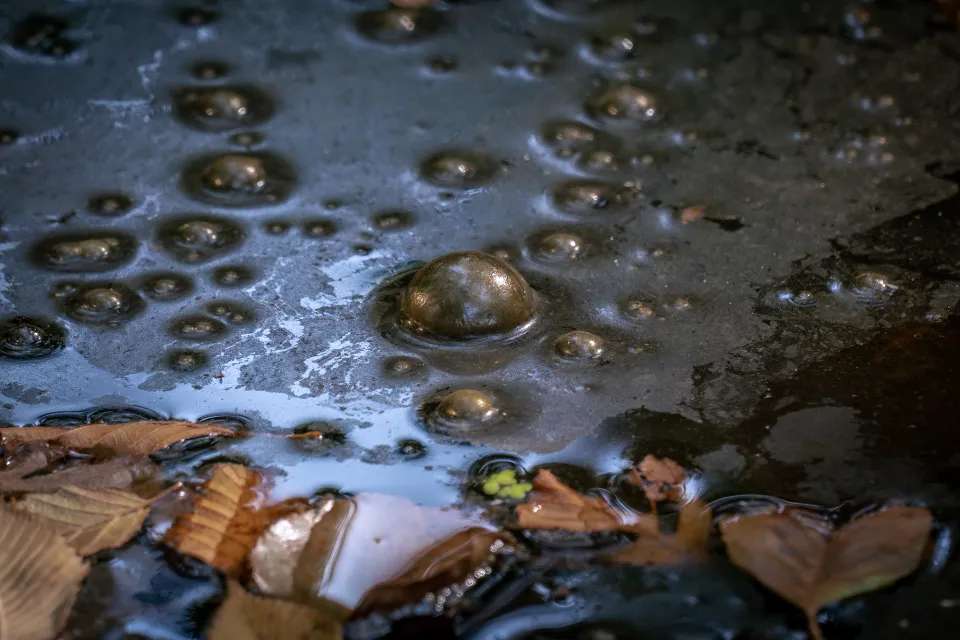
Lake and channel hydraulic dredging is a key component of a long-term lake management plan, restoring lakes and waterways to their original depth and shape while preserving shorelines and surrounding infrastructure. By removing accumulated, nutrient-laden sediments, dredging improves water quality and clarity, reduces turbidity, discoloration, odors, and excessive algae or muck growth, and restores proper circulation. These improvements create a healthier, safer aquatic environment for recreation, fish, and wildlife.
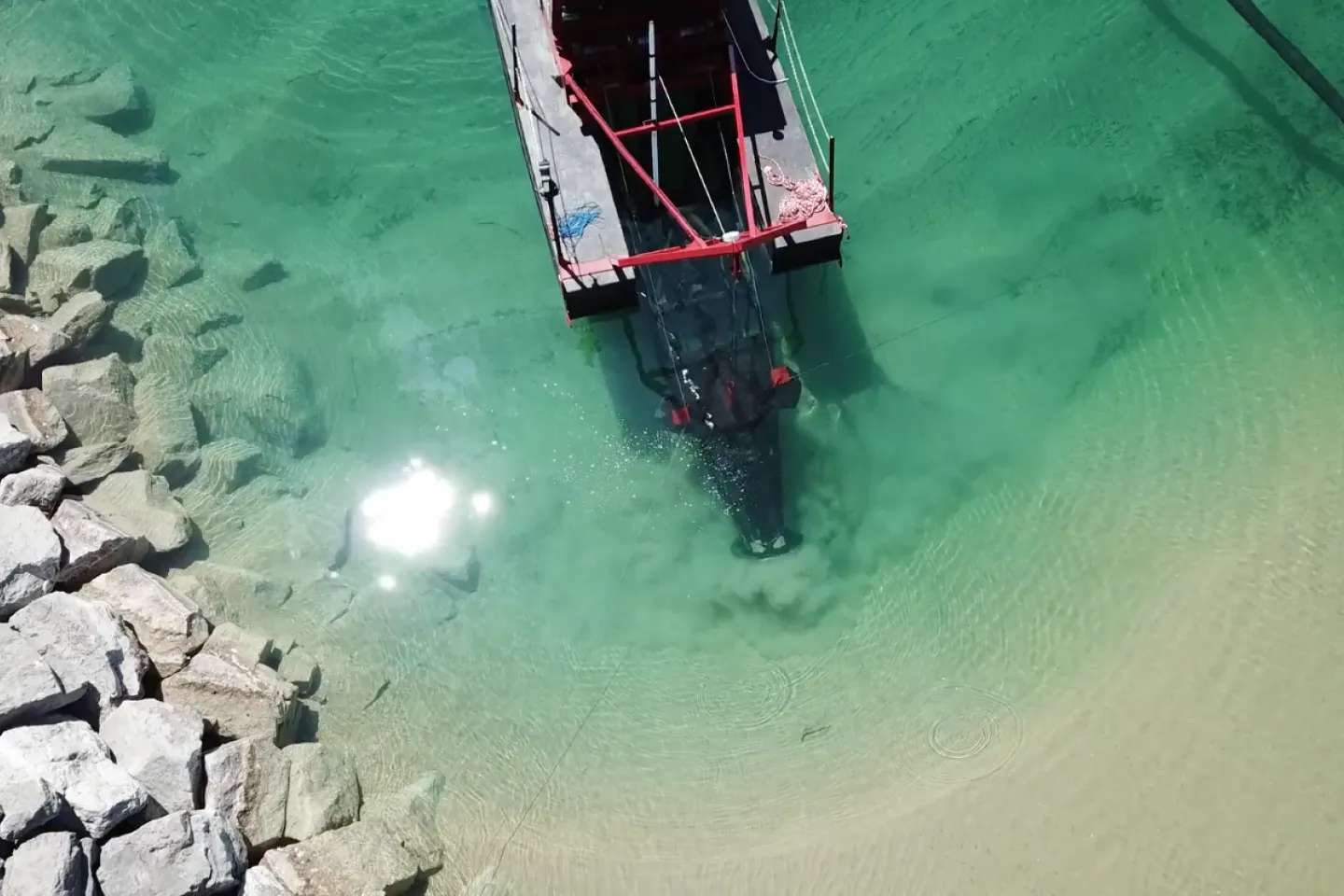
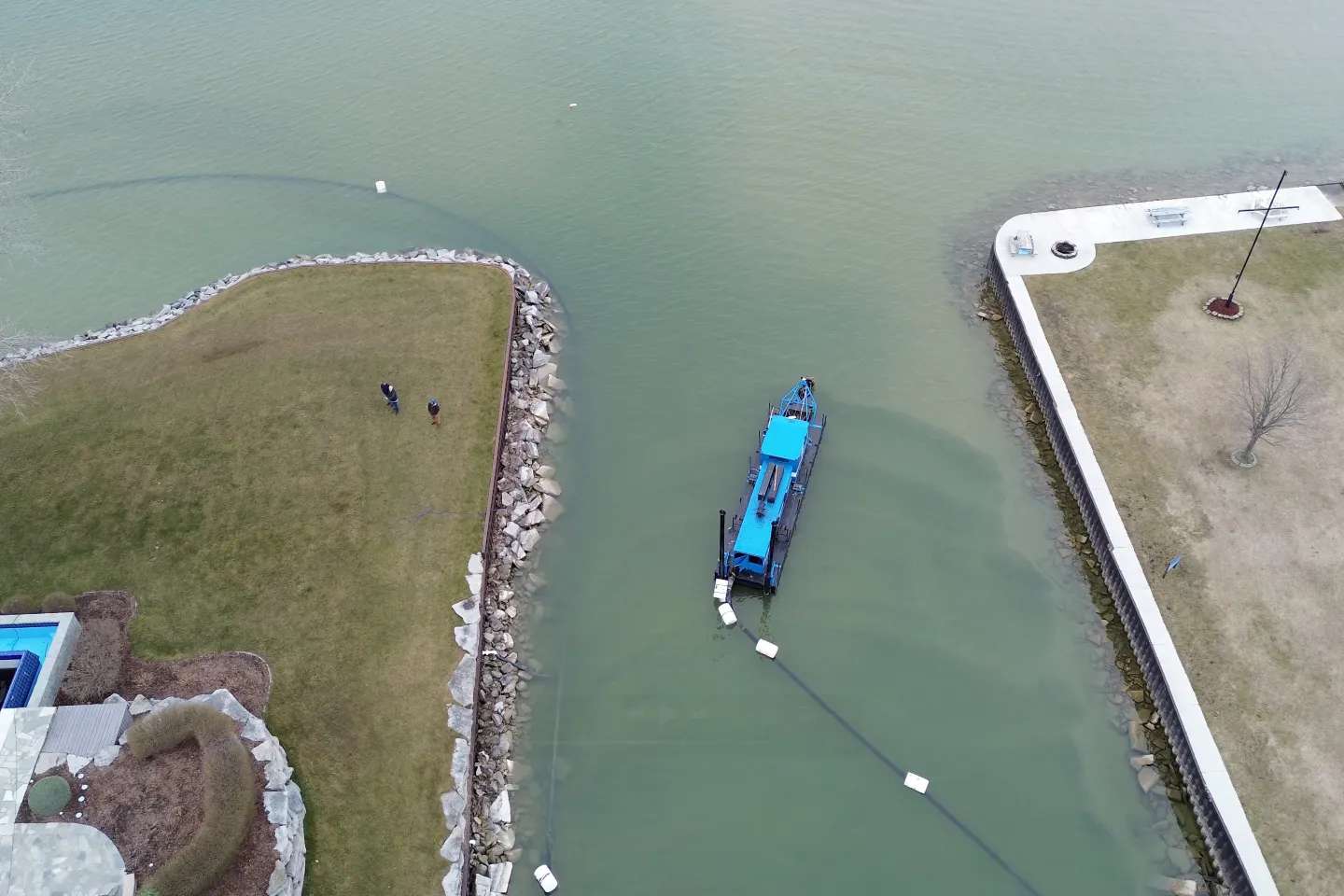
Jones Lake Management uses large-scale hydraulic dredging equipment to efficiently remove substantial sediment volumes while minimizing disruption. Sediment is loosened from the lake or channel bottom and pumped as a slurry through a closed pipeline into elevated settling ponds, where solids naturally separate and clarified water is returned to the system. This controlled process allows lakes and channels to remain in service during dredging while reducing reliance on heavy land-based machinery and protecting aquatic habitats.
Beyond immediate improvements in depth, navigability, and water quality, lake and channel hydraulic dredging supports long-term lake management by improving ecosystem balance and enabling ongoing maintenance programs that ensure lasting functionality and sustainability.
At Jones Lake Management, we evaluate sediment composition, lake size, access points, nutrient loading, and long-term management goals before designing a lake & channel hydraulic dredging plan. In many cases, high-capacity dredging across problem areas significantly improves circulation, depth, and water quality.
Still need some things answered?
The three primary methods are targeted hydraulic dredging, lake and channel hydraulic dredging, and mechanical dredging. The best option depends on sediment type, waterbody size, access, and project goals.
Targeted hydraulic dredging removes sediment from specific problem areas using suction equipment and pumps it to filter bags or a dewatering site. This minimizes disturbance and can delay or reduce the need for full-lake dredging.
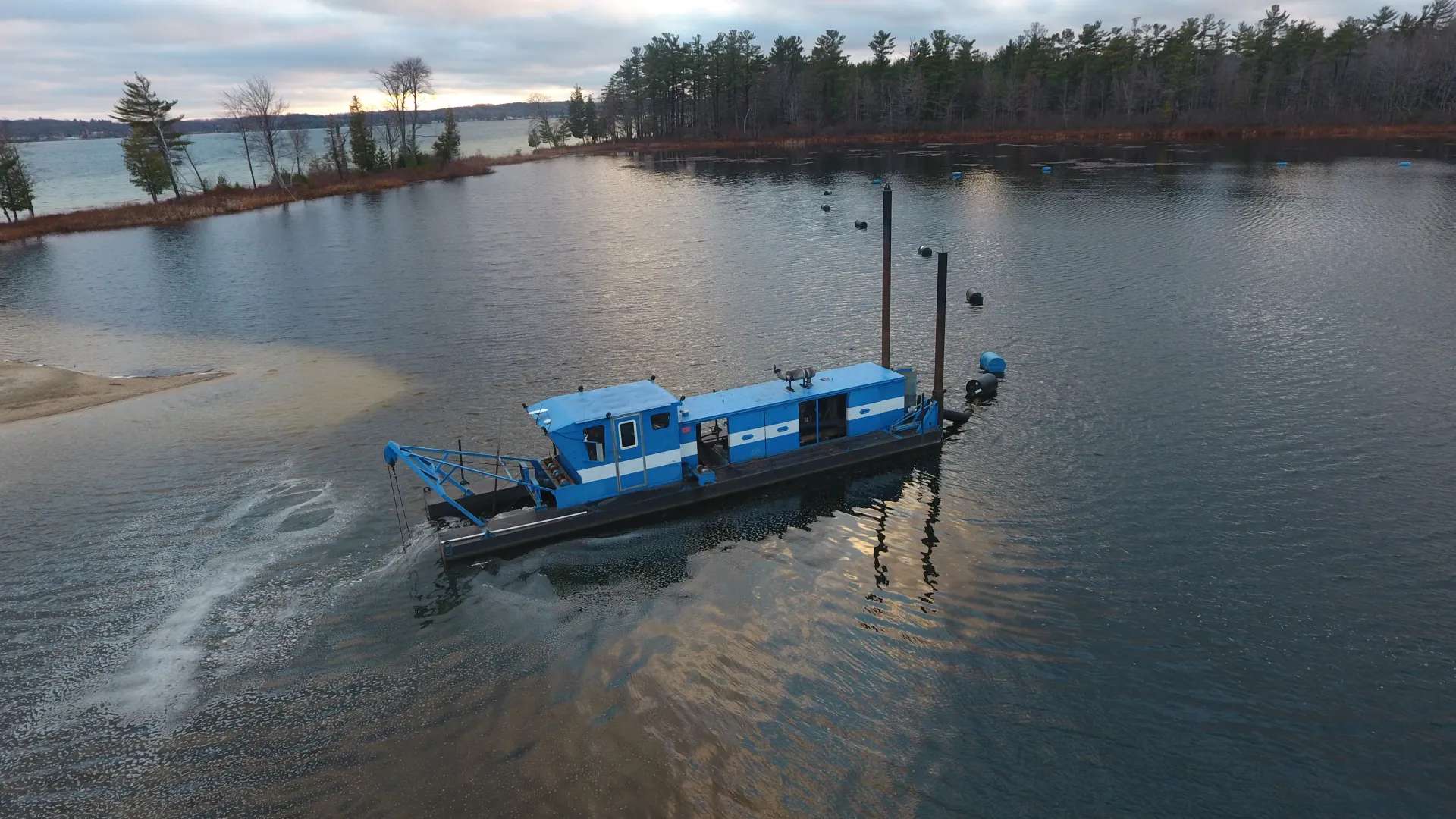
This method uses high-capacity dredges to remove sediment across large areas or channels and pump it as a slurry to settling ponds or dewatering sites. It is ideal for restoring depth and circulation in heavily silted lakes.
A holding or settling pond is critical because it allows the sediment-water mixture to separate. As the slurry enters the holding pond, solids settle to the bottom, and clean water flows back into the lake. Without a properly designed holding pond, the dredging process would create turbidity and reduce water quality instead of improving it.
No, targeted hydraulic dredging often uses geotextile filter bags instead of settling ponds. These capture solids while allowing clean water to return to the lake.
Mechanical dredging uses excavators or clamshell buckets to physically remove sediment from the lake bottom. It is best for coarse material, shallow areas, or locations where hydraulic dredging is not feasible.
Dredging restores proper depth for navigation, improves water clarity, reduces algae and invasive weeds, and strengthens long-term ecosystem health, making the waterbody safer and more enjoyable.
The sediment-water mixture is pumped into a designated settling area where solids separate naturally. Depending on its composition, the sediment may be repurposed or safely disposed of.
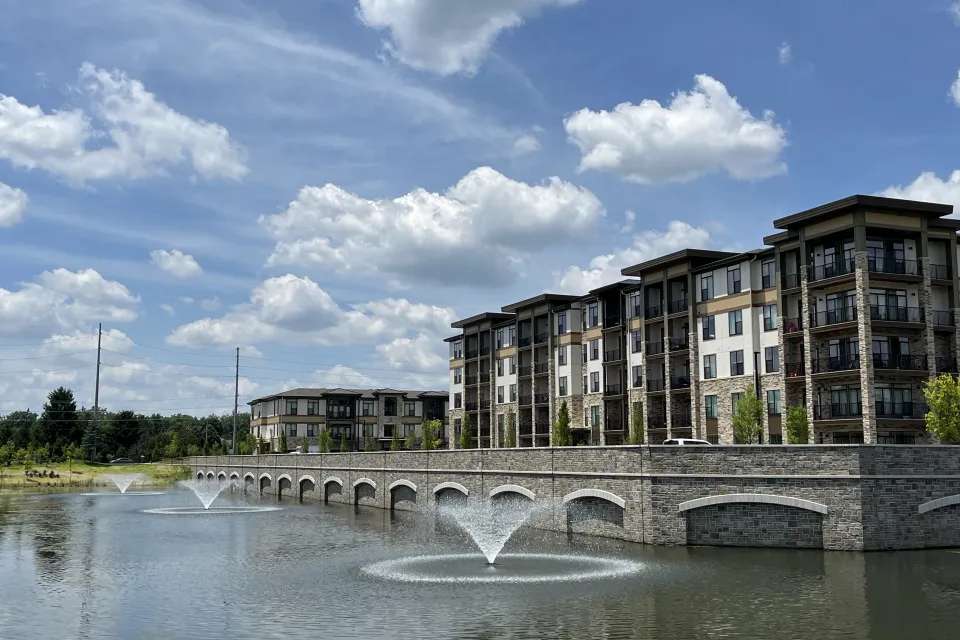
We don't just manage your pond or lake; we transform it into
a beautiful, thriving ecosystem. It's what we love to do.