
Lake & Pond Dredging
As sediment and nutrient-rich muck build up over time, lakes and ponds become shallower, algae-prone, and less usable. Dredging is a proven solution for restoring depth, water quality, and long-term lake health.
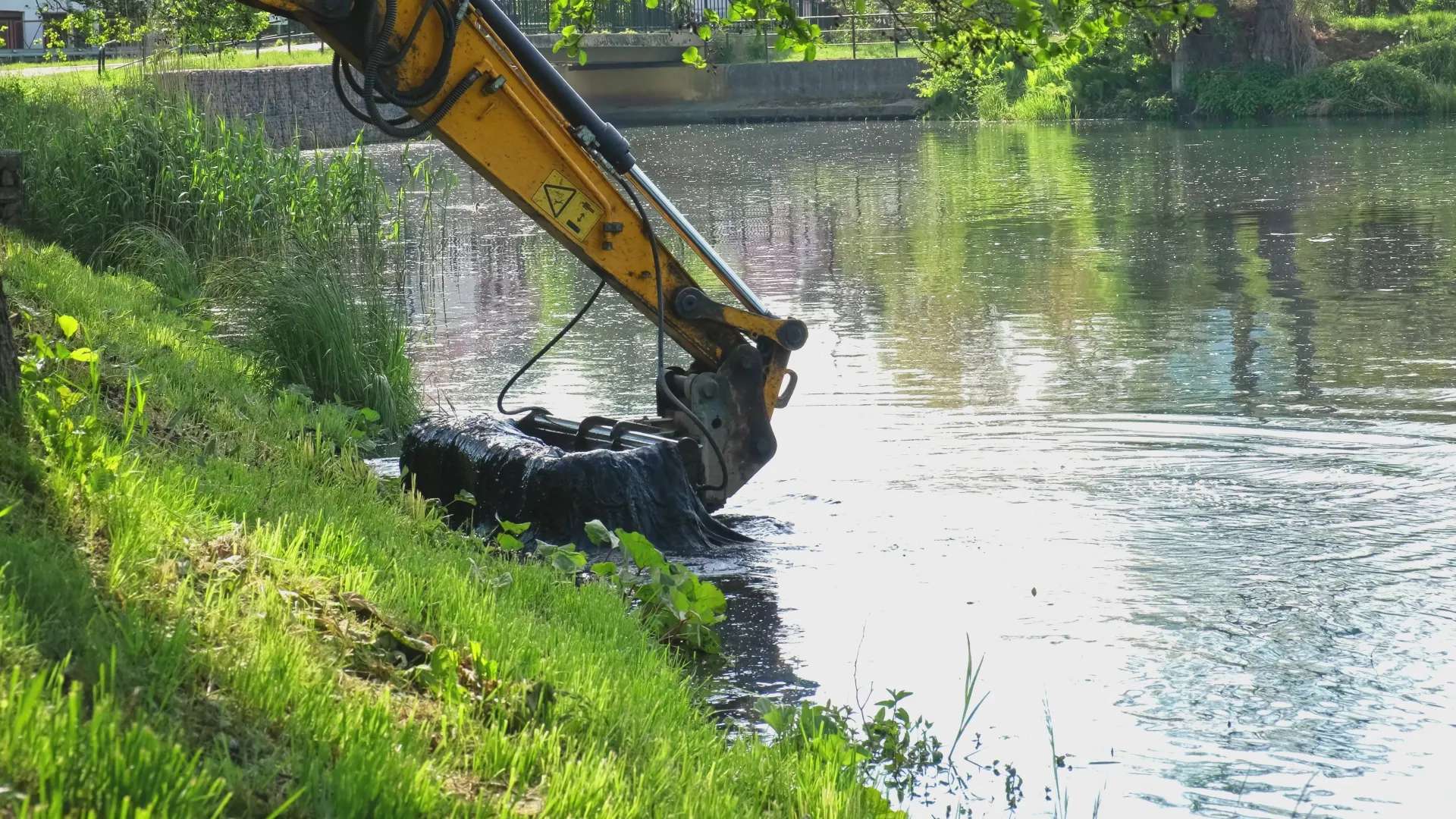
Every lake and pond loses depth over time. Sediment washes in from runoff, shorelines erode, and organic material settles and breaks down on the bottom. In most cases this happens slowly enough that it goes unnoticed for years — until a lake that once supported boating and healthy fish populations is suddenly shallow, muddy, and struggling. Dredging is the process that reverses that buildup and restores a lake's depth and function.
WHAT IS DREDGING?
Dredging is the removal of accumulated sediment, muck, and organic debris from the bottom of a lake or pond. It restores water depth, improves water quality and circulation, increases storage capacity in stormwater ponds, and can reverse years of gradual decline that maintenance alone can't fix.
Types of Dredging:
- Targeted Hydraulic Dredging
- Lake & Channel Hydraulic Dredging
- Mechanical Dredging
Signs a Lake or Pond Needs Dredging
- Noticeably shallower water than in past years, especially near inlets and shorelines
- Soft, muddy bottom that makes wading or launching boats difficult
- Standing water that drains slowly or poorly after rain events
- Recurring algae blooms tied to nutrient-rich bottom sediment
- Reduced storage capacity in a stormwater or detention pond during heavy rain
- Persistent weed growth concentrated in shallow, sediment-filled areas
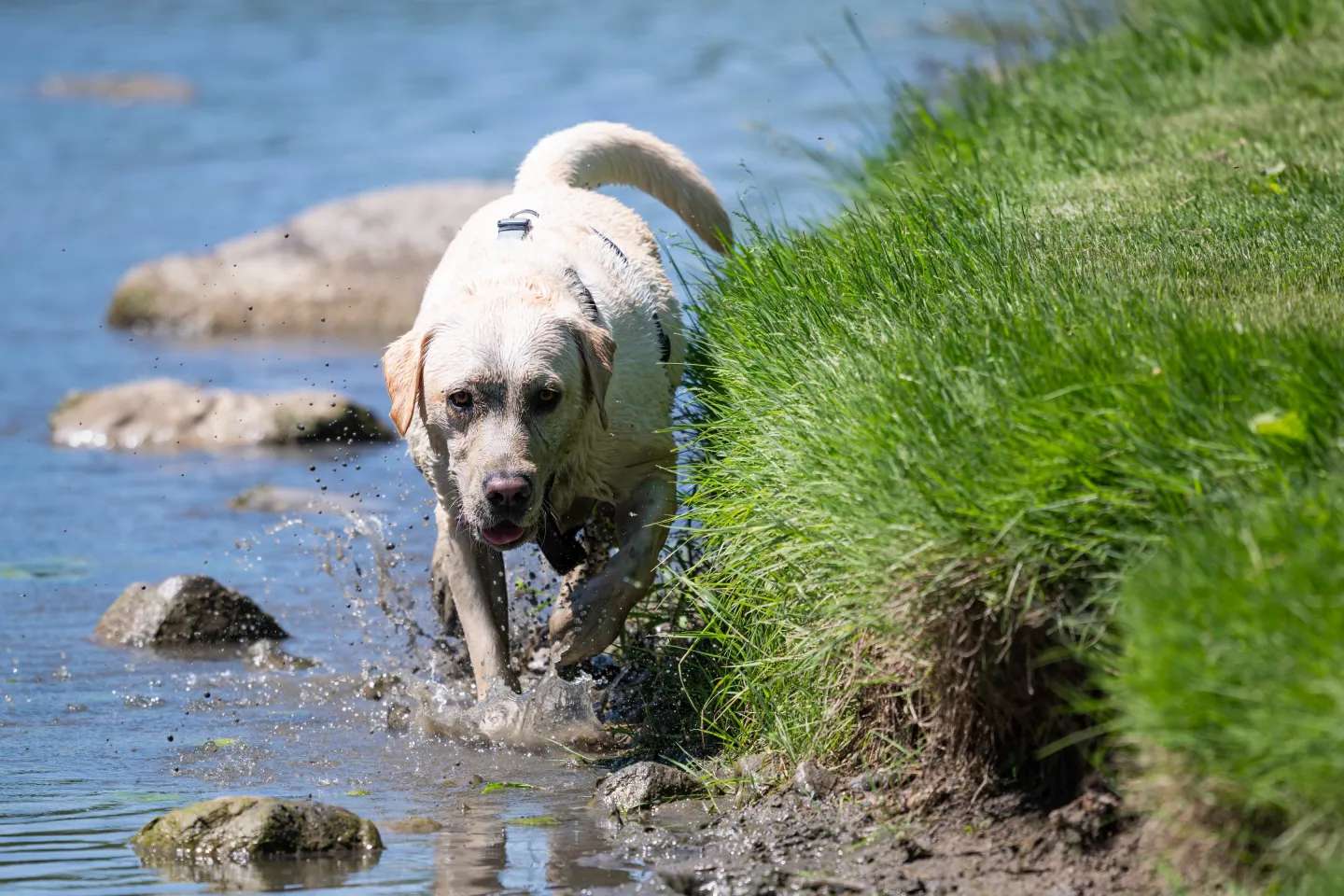
KEY BENEFITS OF DREDGING
- Restores Lake Depth & Shape — Reestablishes original contours, improving circulation and recreational safety.
- Improves Water Quality & Clarity — Removes nutrient-rich sediment and debris reducing turbidity, odors, and discoloration.
- Supports Aquatic Life & Habitat Balance — Diminished internal demand for oxygen, fewer nutrient spikes, and cleaner substrate help fish, plants, and wildlife thrive.
- Mitigates Shallowing, Flooding & Shoreline Erosion — Maintains water capacity and structural stability.
- Creates a Foundation for Long-Term Lake Management — Combined with periodic maintenance, dredging helps ensure a stable, healthy ecosystem and long-term usability.
CHOOSING THE RIGHT DREDGING APPROACH
At Jones Lake Management, we evaluate sediment type, lake size, access, nutrient loading, and long-term goals before recommending a solution. In many cases, a combination of targeted hydraulic dredging, lake and channel hydraulic dredging, and mechanical dredging provides the most cost-effective and environmentally responsible outcome.
Our goal isn’t just sediment removal — it’s helping lakes and ponds remain healthy, functional, and enjoyable for years to come.
Our Services
Targeted Hydraulic Dredging
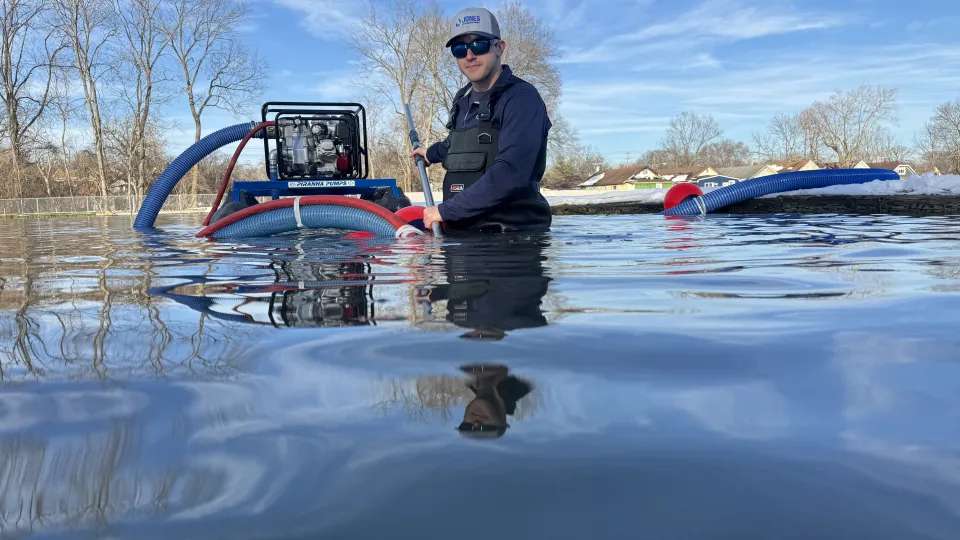
Targeted hydraulic dredging is the process of removing accumulated sediment, organic matter, and debris from the bottom of lakes and ponds using specialized suction equipment. The material is pumped as a slurry to a designated settling or dewatering site, allowing sediment to be removed with minimal disruption to shorelines and surrounding habitat.
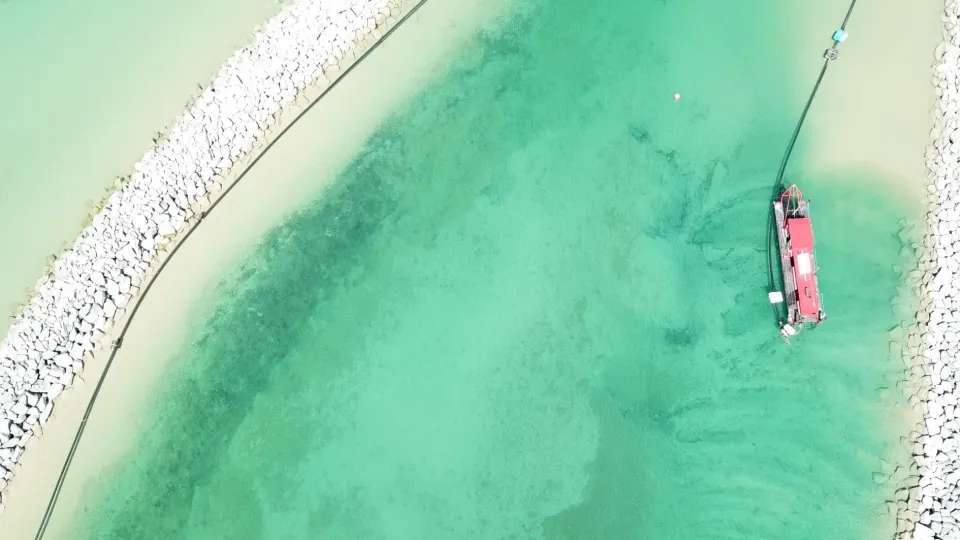
Lake & Channel Hydraulic Dredging
Lake & channel hydraulic dredging removes accumulated sediment, organic matter, and debris from larger areas of lakes or navigation channels using high-capacity suction equipment. The material is pumped as a slurry to a designated settling or dewatering site, allowing sediment removal with minimal disruption to shorelines, infrastructure, and surrounding habitat.
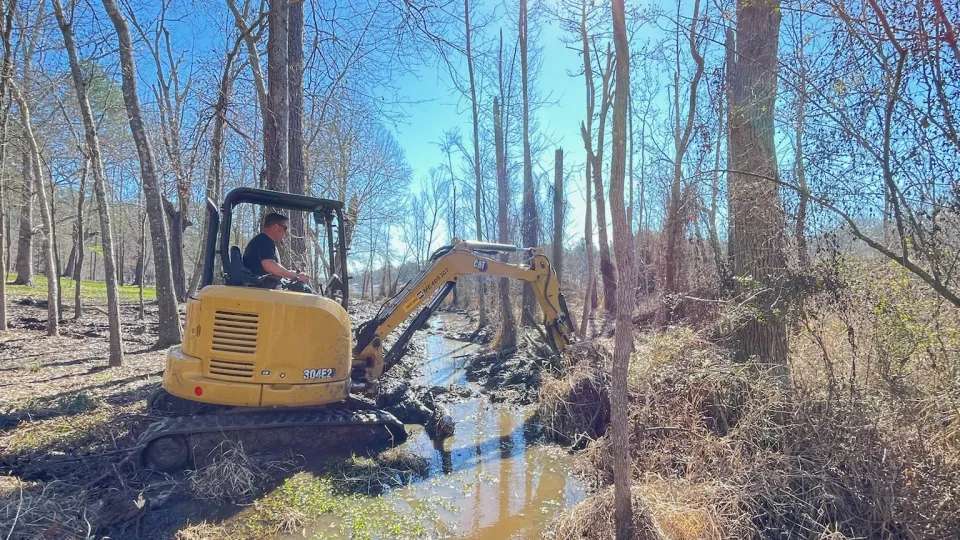
Mechanical Dredging
Mechanical dredging removes sediment from the bottom of lakes, ponds, and waterways using heavy equipment such as excavators, clamshell buckets, or draglines. Unlike hydraulic dredging, sediment is lifted directly and deposited at a designated location for disposal or dewatering. This method is ideal for coarse materials, shallow areas, or sites with limited access where suction dredging may not be feasible.
The Dredging Process
- Site Assessment and Sediment Survey — Before any equipment is mobilized, a depth and sediment survey establishes how much material needs to be removed, where it's concentrated, and what dredging method fits the site.
- Permitting and Regulatory Review — Depending on the size and location of the waterbody, dredging can require permits from state environmental agencies, the U.S. Army Corps of Engineers, or local stormwater authorities. This step is often the longest part of the timeline and should be started early.
- Sediment Placement Planning — Dredged material has to go somewhere. Projects typically use an on-site dewatering area, off-site disposal, or beneficial reuse of the material, depending on volume and site constraints.
- Dredging — Equipment removes sediment from the lake bottom using the mechanical or hydraulic method determined during planning, working section by section to reach target depths.
- Dewatering and Site Restoration — Removed sediment is dewatered, and shoreline or containment areas disturbed during the project are restored and stabilized to prevent new erosion.
FAQs
The three primary methods are targeted hydraulic dredging, lake and channel hydraulic dredging, and mechanical dredging. The best option depends on sediment type, waterbody size, access, and project goals.
Targeted hydraulic dredging removes sediment from specific problem areas using suction equipment and pumps it to filter bags or a dewatering site. This minimizes disturbance and can delay or reduce the need for full-lake dredging.
This method uses high-capacity dredges to remove sediment across large areas or channels and pump it as a slurry to settling ponds or dewatering sites. It is ideal for restoring depth and circulation in heavily silted lakes.
A holding or settling pond is critical because it allows the sediment-water mixture to separate. As the slurry enters the holding pond, solids settle to the bottom, and clean water flows back into the lake. Without a properly designed holding pond, the dredging process would create turbidity and reduce water quality instead of improving it.
No, targeted hydraulic dredging often uses geotextile filter bags instead of settling ponds. These capture solids while allowing clean water to return to the lake.
Mechanical dredging uses excavators or clamshell buckets to physically remove sediment from the lake bottom. It is best for coarse material, shallow areas, or locations where hydraulic dredging is not feasible.
Dredging restores proper depth for navigation, improves water clarity, reduces algae and invasive weeds, and strengthens long-term ecosystem health, making the waterbody safer and more enjoyable.
The sediment-water mixture is pumped into a designated settling area where solids separate naturally. Depending on its composition, the sediment may be repurposed or safely disposed of.
Request a Free Estimate
We don't just manage your pond or lake; we transform it into
a beautiful, thriving ecosystem. It's what we love to do.