News


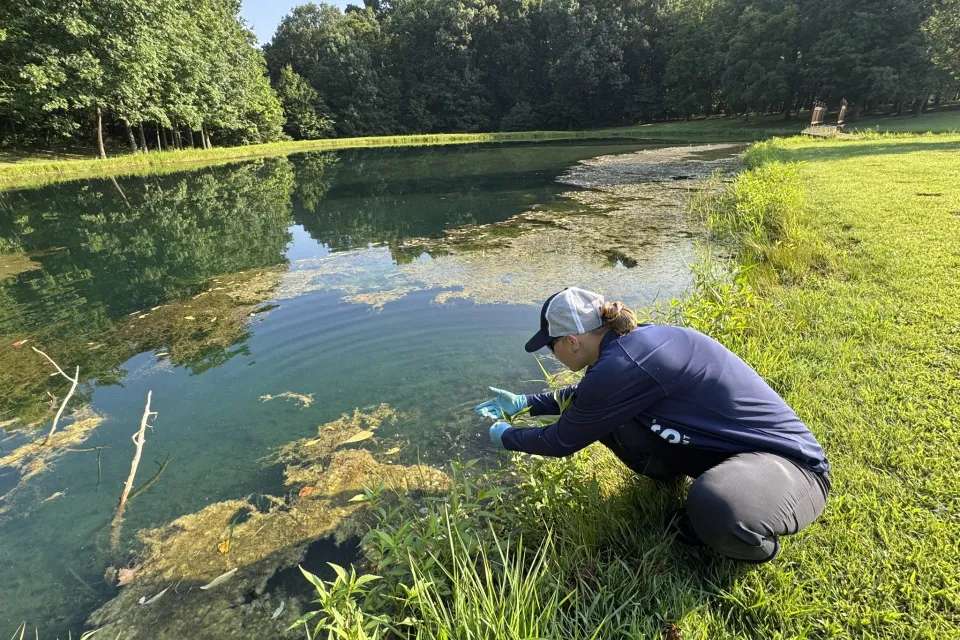
Our aquatic biologists assess your pond or lake, identify what is actually driving the weed and algae growth, and build a treatment plan around that cause rather than around the symptom.
Aquatic weed control that treats the cause, not just the surface
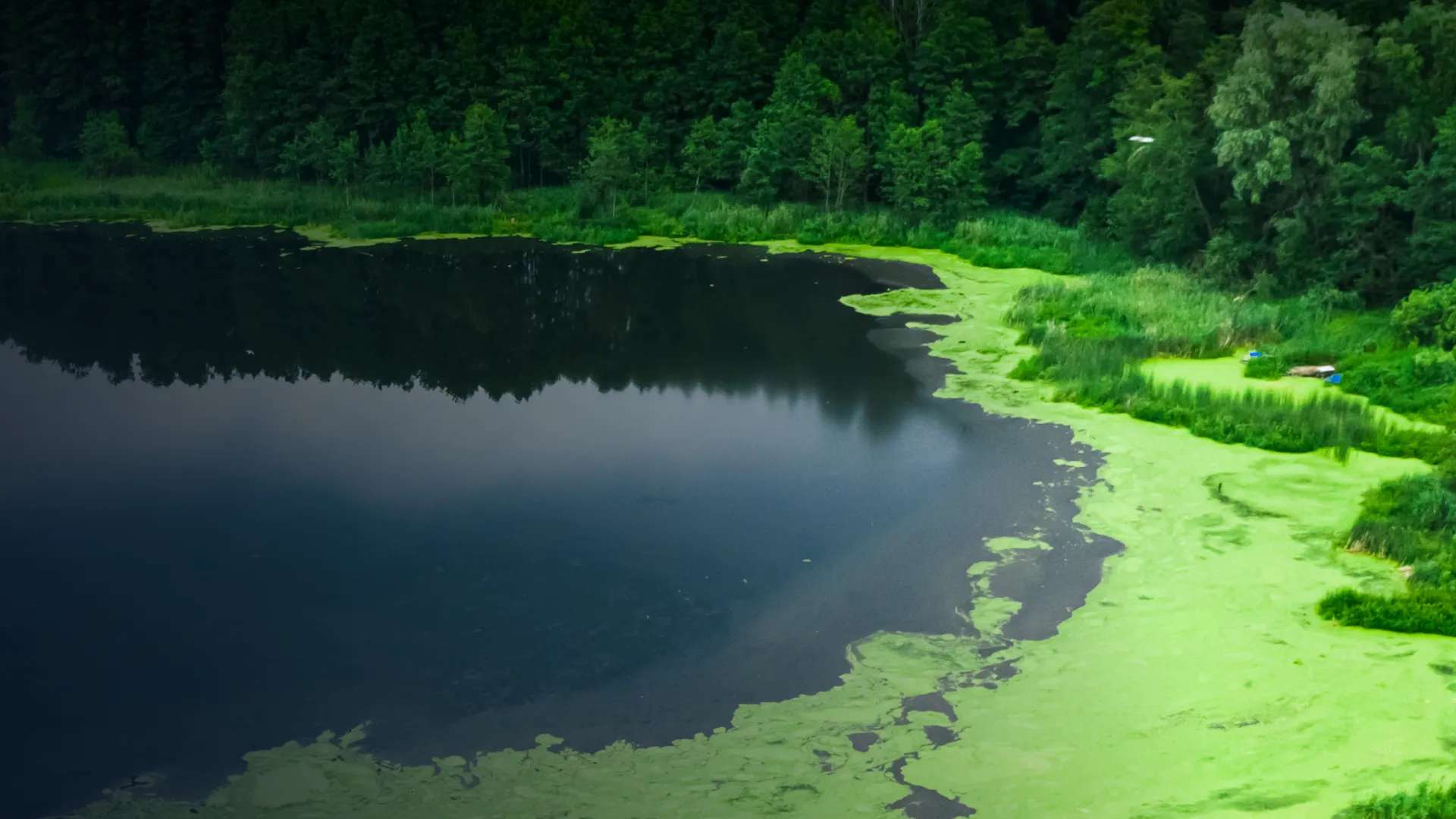
Both natural factors and man-made conditions like fertilizer runoff can cause overgrowth of algae and aquatic weeds. Jones addresses this not just by applying herbicides but by adopting an integrated management approach: identify what is growing and why, treat it, and reduce the nutrient load that is feeding it.
Skilled Employees
All of our staff are highly trained in their responsibilities, from degree-holding science professionals to licensed applicators and experienced repair technicians.
325+ Years Combined Experience
With 325+ years of combined experience, we are leaders in pond and lake management specialized in bespoke algae control.
Science-Driven Specialists
Our 110+ biologists understand the delicate dynamics of aquatic ecosystems and maintain a balance of health and beauty.
Creating a healthy pond is more than applying the occasional herbicide or algaecide.
Eliminating a nuisance plant or algae without considering its role in the ecosystem tends to have unintended consequences. Killing one weed and a different nuisance species usually moves into space, because the nutrients that fed the first one are still in the water.
A healthy pond or lake comes from management strategies that complement one another. Our team identifies the causes of the problem and determines which combination of treatment, nutrient reduction, aeration, and mechanical removal will address it for the long term.
Jones Lake Management provides pond and lake owners a full spectrum of professional maintenance services. Our aquatic biologists determine the cause of the problem and put forward strategies designed around each client's specific waterbody.
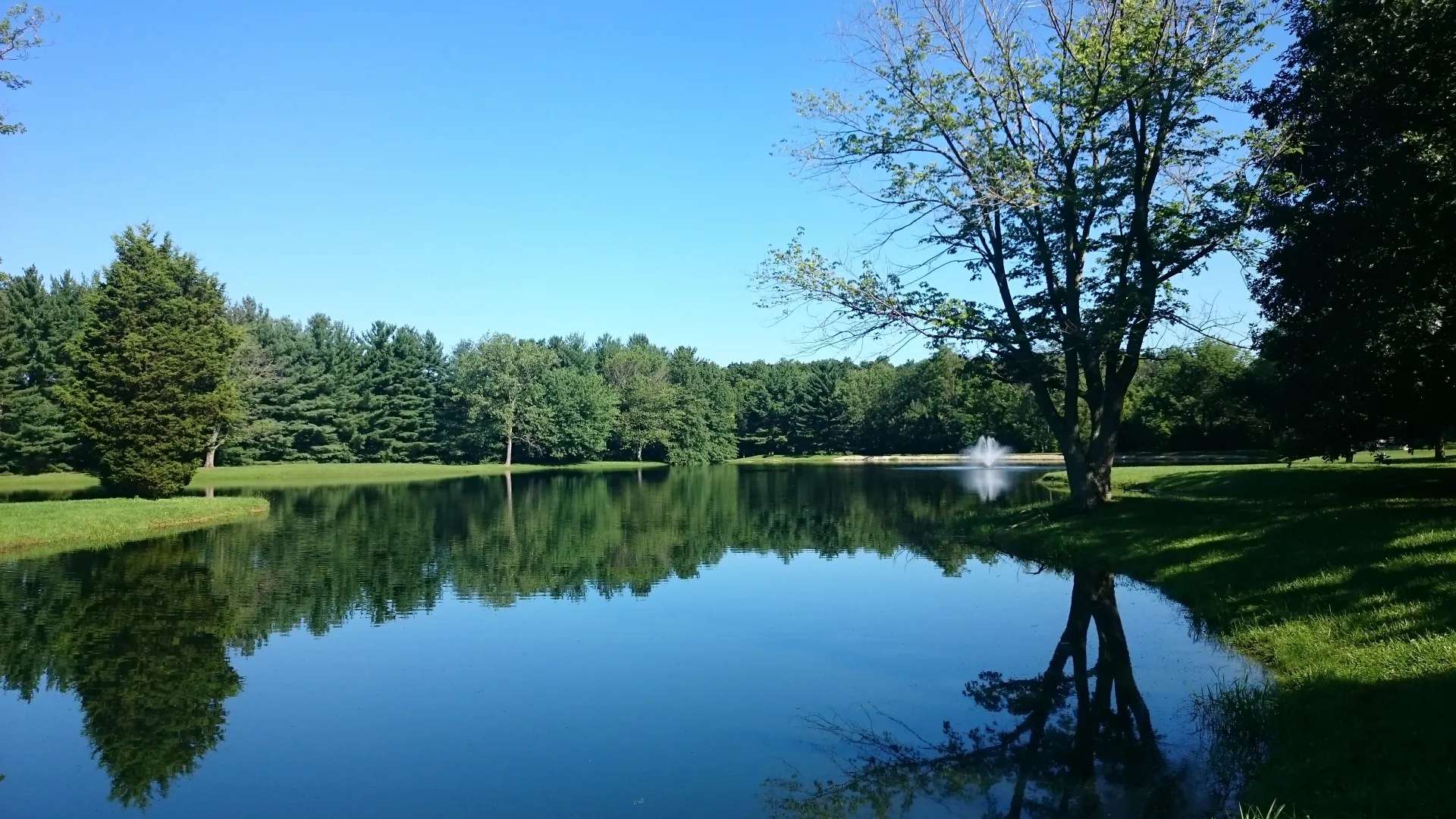
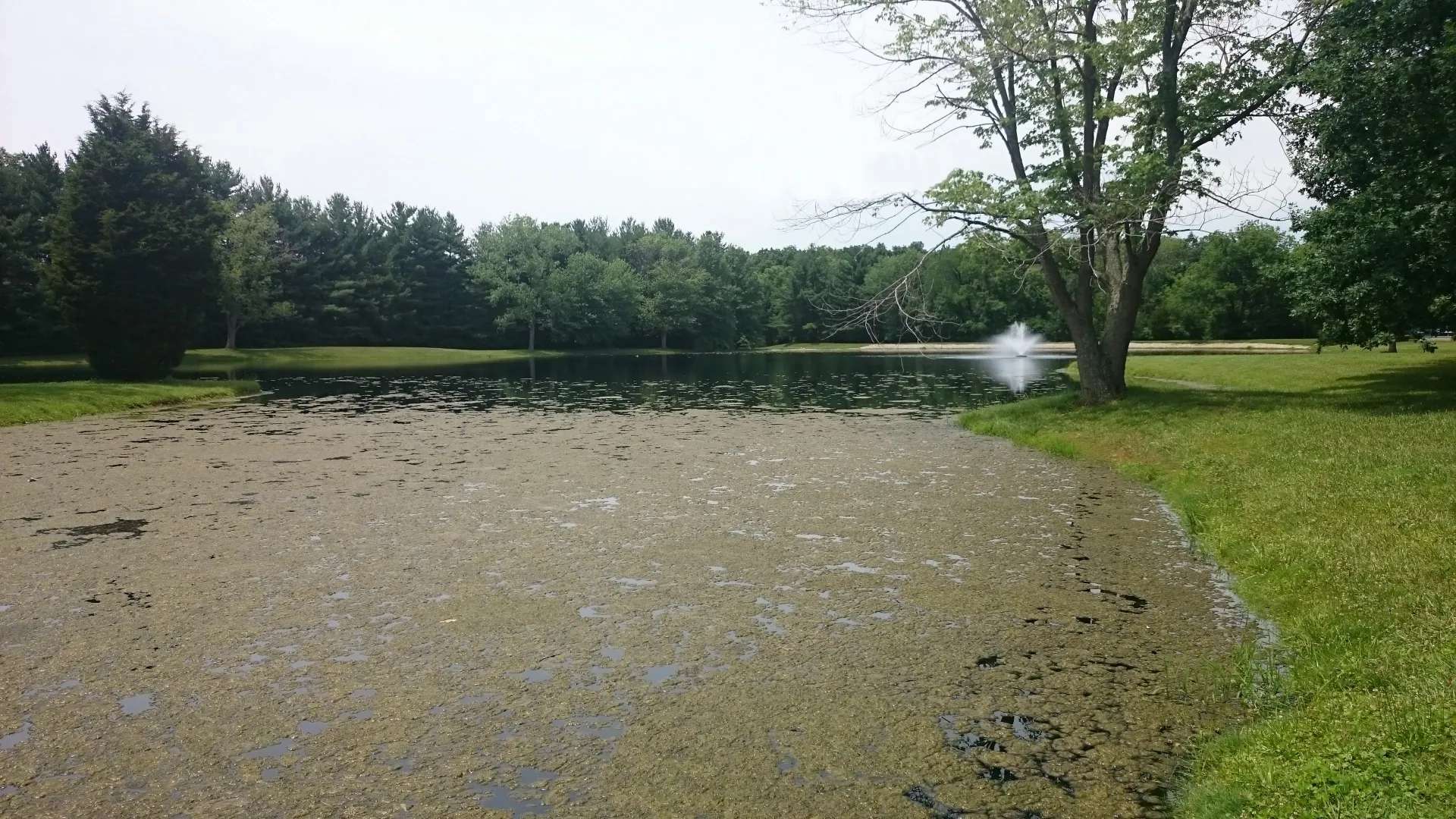
The two get lumped together, and they respond to different work.
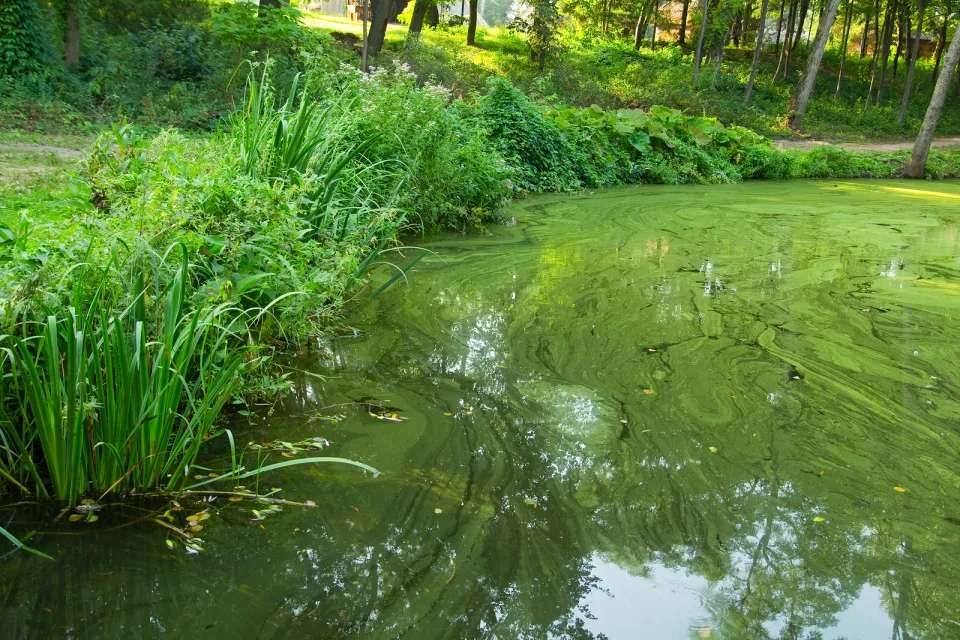
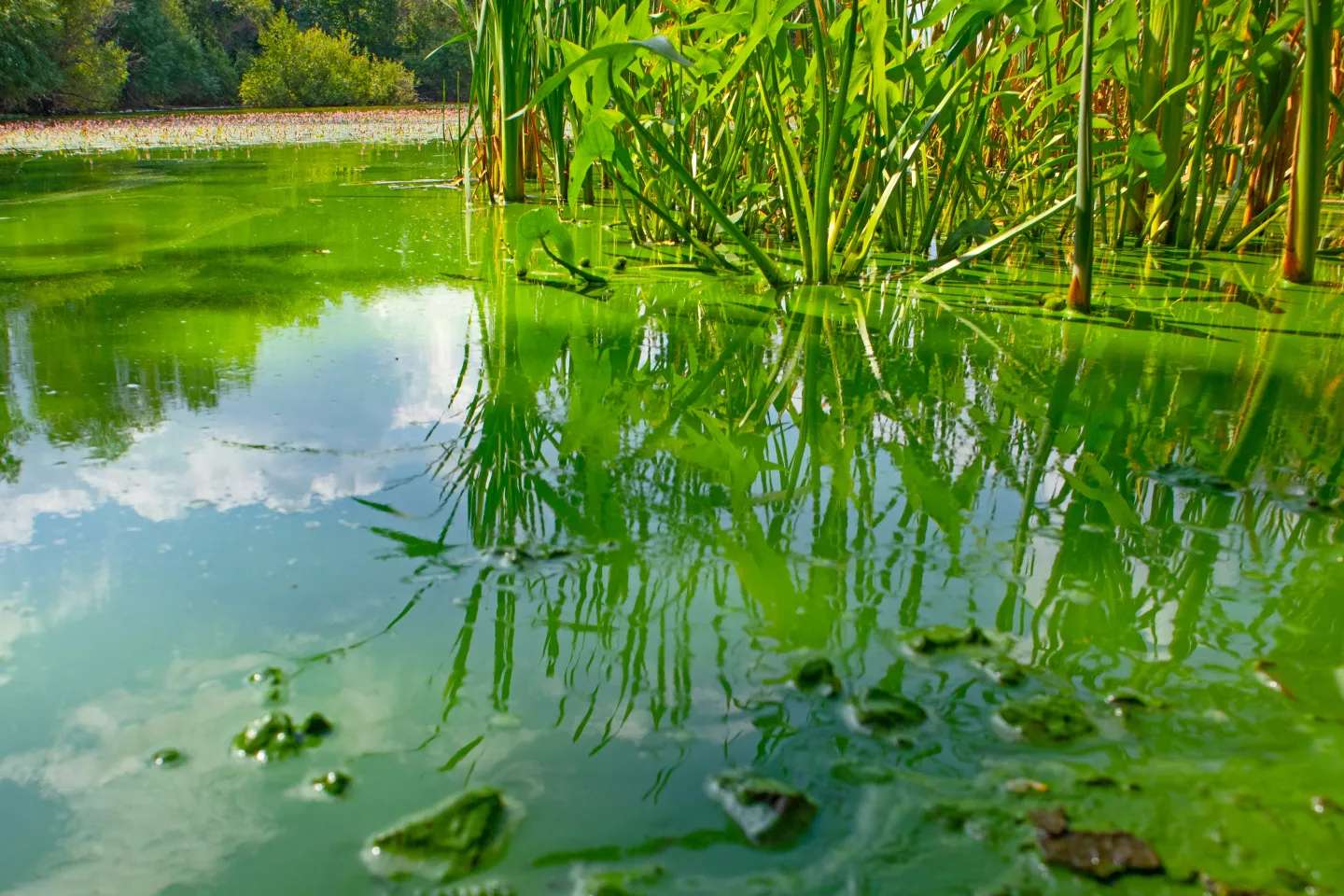
Algae. Filamentous algae is the stringy mat that gathers along the shoreline and around structures. Planktonic algae is what turns the whole water column green and, in a bad year, produces a bloom. Both are usually a nutrient story, which is why treatment alone tends to be temporary.
Floating and surface plants. Small floating species can cover a surface in a matter of weeks in warm weather, block light, and pull oxygen out of the water as they die back.
Submerged and emergent weeds. Rooted growth is what interferes with swimming, boating, fishing, and irrigation intakes. It also tends to be the growth people misidentify most often, because a lot of what looks like one plant is three.
Invasive and non-native species. These get their own approach, because the goal is different: pushing back an aggressive non-native so desirable native plants can hold their ground. See invasive weed control.
Not sure what you are looking at? Our Aquatic Weed ID Guide is a good place to start, and identification is the first step of any site visit either way.
Aquatic weed and algae control works on the growing season, not on the calendar. Growth follows water temperature, so the same pond can look fine in May and unrecognizable by mid-July.
Treating early, while growth is young and the biomass is small, generally means less material dying and decomposing in the water at once, which matters because that decomposition is itself an oxygen and nutrient event. Waiting until a pond is fully covered turns one visit into several.
An annual management program is built around that: an assessment, a treatment schedule spread across the season rather than concentrated in one visit, monitoring between visits, and adjustments when what is growing changes. Applications are made by licensed applicators using products labeled for aquatic use, and your biologist will tell you before treatment whether any short-term water-use restriction applies to your waterbody.
For properties where treatment is not the right tool, either because of the volume of material or a use restriction, mechanical weed removal physically takes the growth out instead.
Jones Lake Management works out of offices across the Midwest, South, Southeast, Northeast, and Mountain West, including Ohio, Indiana, Illinois, Wisconsin, Michigan, Kentucky, Tennessee, Texas, Colorado, Arkansas, Louisiana, Alabama, North Carolina, South Carolina, Virginia, Connecticut, and Massachusetts. Find the office nearest your pond or lake on our locations page.
Treatment plans are built regionally for a reason. Growing seasons, dominant nuisance species, and state application requirements are not the same in central Texas as they are in northern Wisconsin, which is why the assessment happens locally rather than from a template.
We had Jones treat our pond for a growth of algae. It was a mess. They safely got rid of it while not harming our fish and other wildlife.
Very nice professional staff always answers questions.
They are always helpful and nice. They told me exactly how to treat my pond!
We don't just manage your pond or lake; we transform it into
a beautiful, thriving ecosystem. It's what we love to do.