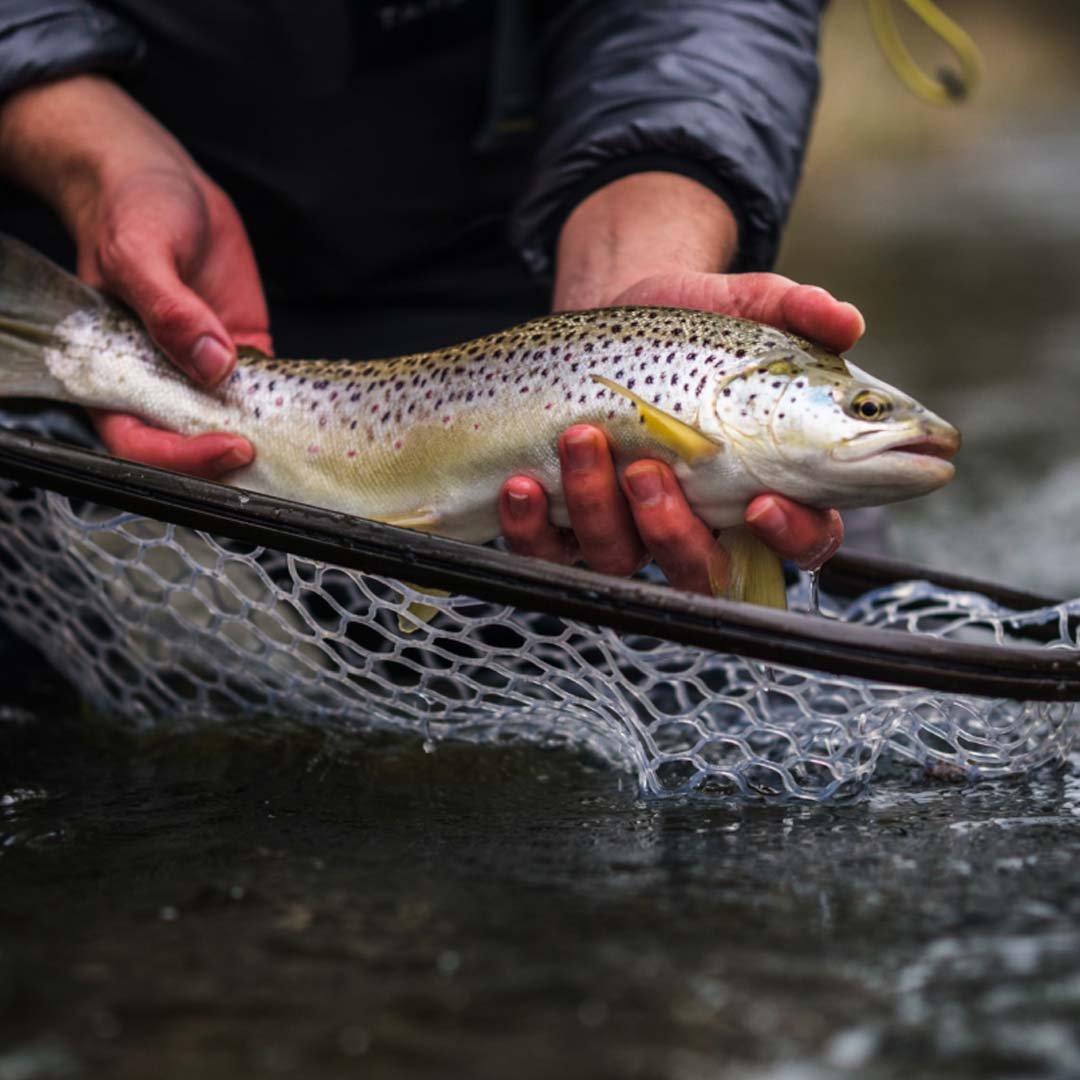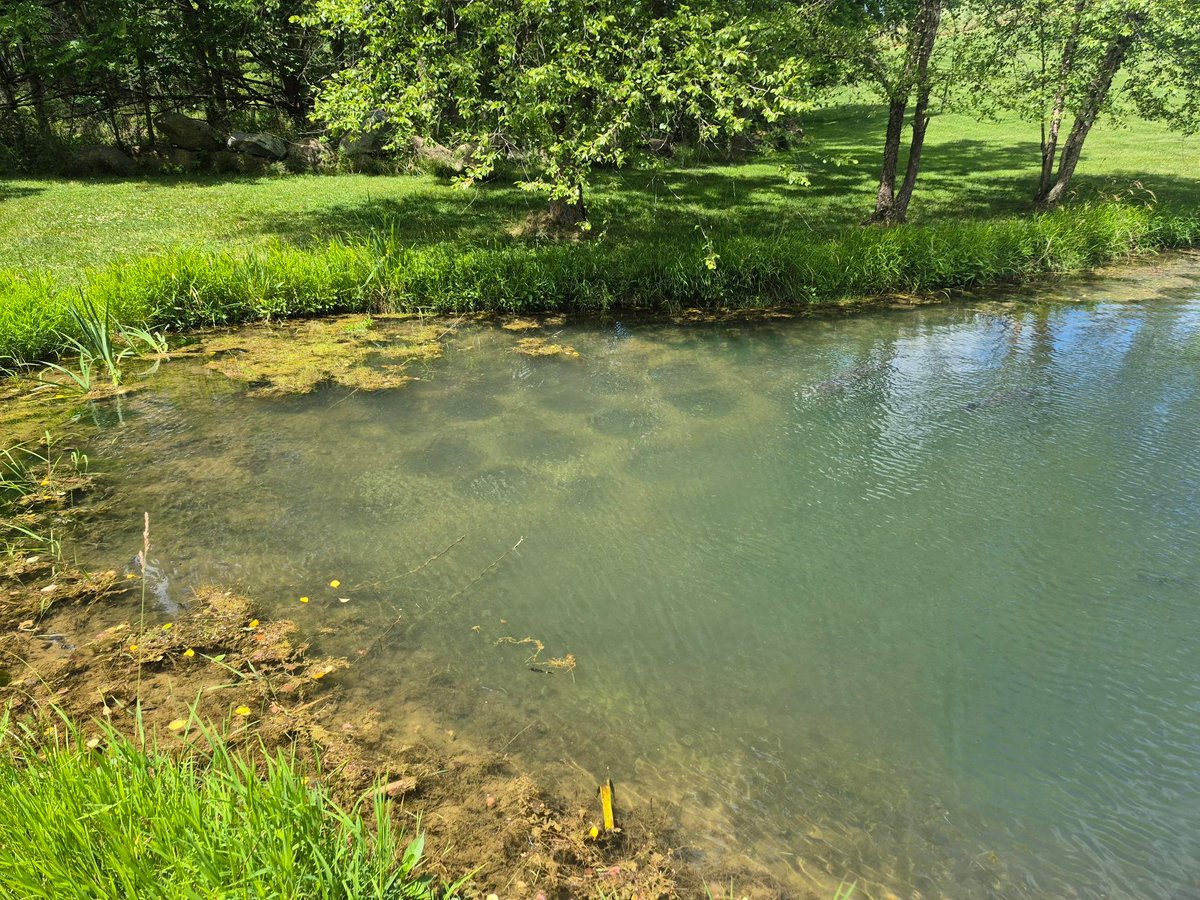
Mid-summer is one of the most revealing times of year for understanding pond and lake health. As water temperatures peak, fish behavior becomes a clear indicator of overall ecosystem balance. For property managers, HOAs, golf courses, and municipalities, a mid-summer fish health check can help distinguish between a thriving aquatic environment and one that may be heading toward stress conditions.
Unlike a crisis response to fish kills or visible distress, this seasonal “check-up” focuses on subtle behavioral patterns and environmental cues that signal whether fish are comfortable, active, and properly supported by water quality conditions.
Signs Your Fish Are Thriving
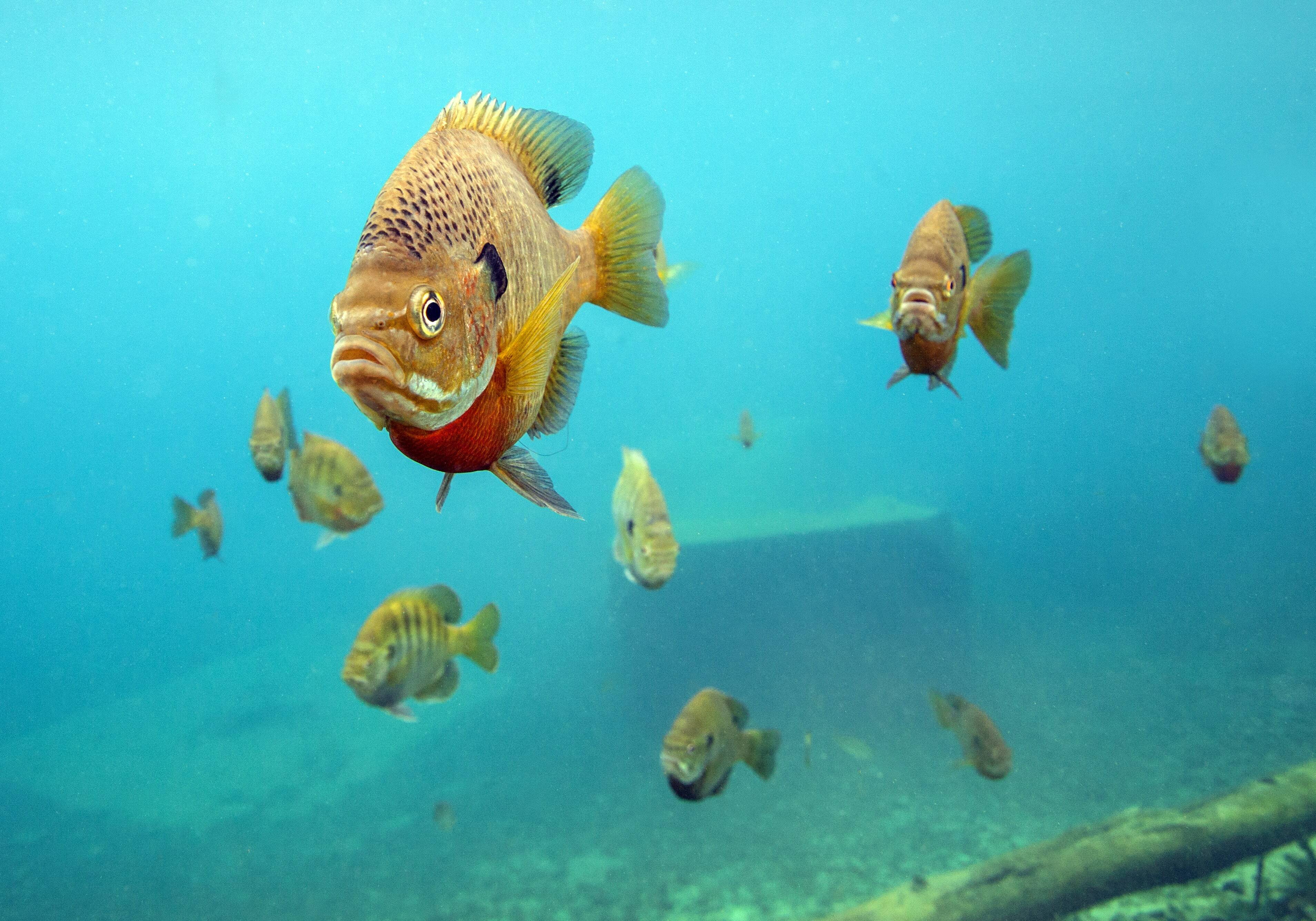
Healthy fish populations tend to display consistent, predictable behavior even during hot weather. One of the strongest indicators of good pond conditions is steady, active movement throughout different areas of the water column.
Thriving fish often show:
- Even distribution across shallow and deeper areas
- Active but controlled feeding behavior during normal feeding times
- Smooth, coordinated schooling patterns
- Minimal surface crowding in early morning hours
- Regular movement without excessive lethargy or erratic darting
Water clarity and oxygen balance also play a major role. In a well-managed system, fish are more likely to utilize a wider range of habitat instead of clustering around aeration points or inflow areas. A properly functioning ecosystem supports stable dissolved oxygen levels, allowing fish to maintain consistent activity patterns throughout the day.
Warning Signs of Developing Stress
When conditions begin to shift, fish behavior is often the first indicator—before water quality issues become visually obvious. Mid-summer stress does not always present as fish loss; it typically begins with subtle behavioral changes.
Watch for:
- Fish gathering near the surface during early morning hours
- Increased reliance on fountains, diffusers, or inflow zones
- Sluggish movement or reduced responsiveness during feeding
- Crowding along shaded shorelines or shallow edges
- Uneven distribution, with fish avoiding deeper zones
These behaviors often point to declining dissolved oxygen levels, rising organic demand, or warming water that reduces oxygen availability. Even if fish are not visibly distressed, these early signals suggest that conditions are becoming less stable.
Environmental Factors to Monitor
Mid-summer pond health is heavily influenced by temperature, nutrient levels, and circulation. Warm water holds less oxygen, which makes ponds more vulnerable to imbalance during heat waves or extended cloudy periods.
Key environmental indicators include:
- Increasing algae density or surface scums
- Murky or discolored water
- Excessive aquatic vegetation growth
- Organic buildup from leaves or sediment
- Reduced water movement or stagnation in coves and shallow zones
Ponds with limited circulation or heavy nutrient loading are especially prone to fluctuations that directly impact fish behavior.
Why Mid-Summer Check-Ups Matter
A mid-summer fish health assessment is not just about identifying problems, it’s about preventing them. Small shifts in behavior can signal the need for adjustments in aeration, nutrient management, or aquatic vegetation control.
Aeration systems, in particular, play a key role in supporting stable oxygen distribution throughout the water column. When combined with routine water quality monitoring and shoreline nutrient management, these systems help maintain conditions where fish can thrive even in peak summer heat.
Proactive Management Makes the Difference
At Jones Lake Management, mid-summer evaluations are a key part of maintaining balanced, healthy aquatic systems. By tracking fish behavior alongside water quality data, lake managers can identify early warning signs and adjust management strategies before conditions decline.
A thriving fish population is one of the strongest indicators of a well-managed pond. When fish are active, evenly distributed, and showing normal feeding behavior, it reflects a stable ecosystem supported by proper oxygen levels, nutrient balance, and circulation.
Mid-summer is the ideal time to observe, adjust, and reinforce those conditions, ensuring your pond remains healthy not just for fish, but for the entire aquatic environment.
About Jones Lake Management
Since 1949, Jones Lake Management has been a trusted leader in lake and pond management, delivering scientifically backed solutions to create and maintain healthy, balanced, and beautiful waterbodies throughout the Midwest, Southeast and Texas. Our expert team offers a full range of services, including fish stocking, fisheries management, water quality monitoring, algae and aquatic weed control, aeration solutions, erosion control, invasive species management, hydraulic dredging, and more. Whether you manage a private lake, an HOA stormwater pond, a golf course water feature, or a municipal waterway, we provide customized solutions to ensure your waterbody remains healthy, functional, and thriving.
Discover our trusted lake and pond management partners nationwide—bringing expertise and care to communities across the country. From Aqua Services and Pond Lake Management in the Southeast, to Water and Wetland in New England, Savin Lake Services in Michigan, Wisconsin Lake and Pond Resource in Wisconsin, Aquatics Associates in Colorado, and Johnson Lake Management and Aquatic Features in Texas, each partner delivers premier service tailored to their region. Visit us at www.joneslakemanagement.com