Understanding Harmful Algal Blooms
Harmful algal blooms (HABs) are becoming an increasing concern for lake and pond owners across the country. These blooms can affect water quality, limit recreational use, threaten aquatic ecosystems, and in some cases create health risks for people and pets. Understanding what causes harmful algal blooms and how they develop is an important step toward maintaining a healthy pond or lake.
While not every algae bloom is harmful, certain types of algae can produce toxins or create environmental conditions that negatively impact aquatic life. Recognizing the signs of a HAB and implementing proactive lake management strategies can help reduce the likelihood of serious water quality issues.
What Are Harmful Algal Blooms?
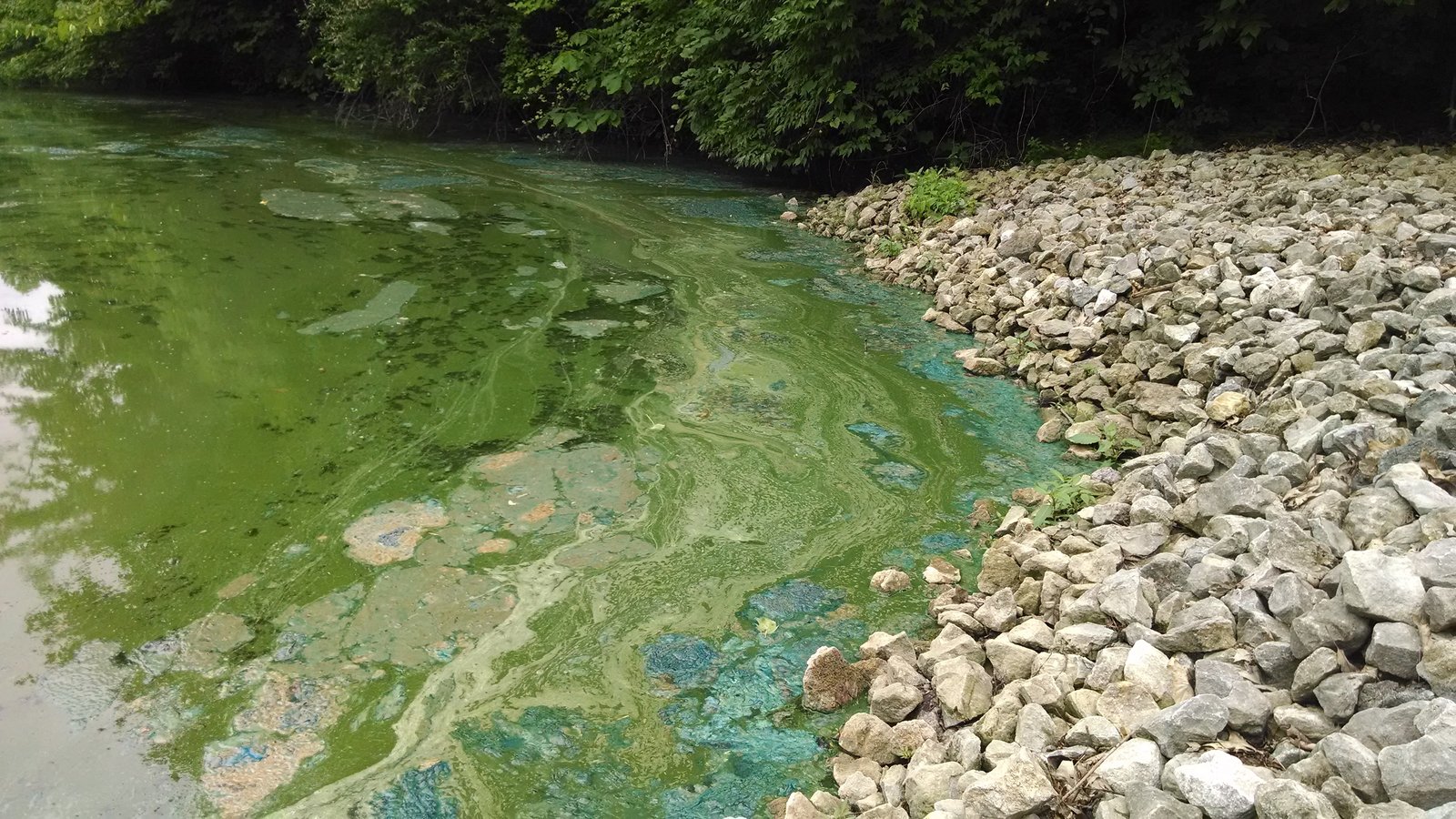
A harmful algal bloom occurs when colonies of algae, most commonly cyanobacteria (often called blue-green algae), grow rapidly and accumulate near the water's surface. These blooms can appear as green paint-like scums, floating mats, streaks, or discolored water.
HABs are most common during warm weather when sunlight, nutrient availability, and favorable water conditions allow algae populations to multiply quickly. While algae are a natural part of aquatic ecosystems, excessive growth can create significant challenges for lakes and ponds.
Some cyanobacteria species have the ability to produce toxins known as cyanotoxins. Depending on the species present and environmental conditions, these toxins may pose risks to humans, pets, livestock, and wildlife that come into contact with affected water.
What Causes Harmful Algal Blooms?
Several factors contribute to the development of harmful algal blooms, but excess nutrients are often the primary driver.
Nitrogen and phosphorus enter ponds and lakes through a variety of sources, including:
- Fertilizer runoff
- Stormwater runoff
- Agricultural drainage
- Pet waste
- Decaying vegetation
- Waterfowl activity
- Sediment nutrient release
When these nutrients accumulate, they create ideal conditions for algae growth. Warm temperatures, stagnant water, and abundant sunlight further increase the likelihood of bloom development.
Many pond owners focus on treating visible algae, but addressing the underlying nutrient sources is often critical for long-term water quality improvement.
Risks Associated with HABs
Harmful algal blooms can affect both the appearance and function of a waterbody.
In addition to creating unpleasant odors and unsightly surface scums, dense blooms can reduce water clarity and interfere with recreational activities such as fishing, boating, and swimming.
As algae die and decompose, the process consumes dissolved oxygen from the water. Low oxygen levels can stress fish and other aquatic organisms, particularly during hot summer months.
If toxins are present, direct contact with affected water may cause irritation, while ingestion can be harmful to people, pets, and wildlife. Because harmful blooms cannot always be identified visually, suspected HABs should be treated with caution.
Preventing and Managing Harmful Algal Blooms
Effective HAB prevention begins with comprehensive lake and pond management. Reducing nutrient inputs through watershed management, shoreline buffer plantings, and responsible fertilizer practices can help limit conditions that support excessive algae growth.
Additional management strategies may include beneficial bacteria programs, routine water quality monitoring, and aquatic vegetation management. Aeration systems can also play an important role in pond health by improving water circulation, increasing dissolved oxygen levels, and supporting overall water quality throughout the water column. Regular inspections allow lake managers to identify potential problems before blooms become severe.
At Jones Lake Management, we help property owners develop customized lake and pond management plans focused on water quality, nutrient management, and long-term ecosystem health. By addressing the factors that contribute to harmful algal blooms, pond owners can create healthier, more sustainable waterbodies for years to come.
Understanding HABs is the first step toward protecting your pond or lake. With proactive management and ongoing monitoring, many water quality challenges can be identified and addressed before they become major problems.
About Jones Lake Management
Since 1949, Jones Lake Management has been a trusted leader in lake and pond management, delivering scientifically backed solutions to create and maintain healthy, balanced, and beautiful waterbodies throughout the Midwest, Southeast and Texas. Our expert team offers a full range of services, including fish stocking, fisheries management, water quality monitoring, algae and aquatic weed control, aeration solutions, erosion control, invasive species management, hydraulic dredging, and more. Whether you manage a private lake, an HOA stormwater pond, a golf course water feature, or a municipal waterway, we provide customized solutions to ensure your waterbody remains healthy, functional, and thriving.
Discover our trusted lake and pond management partners nationwide—bringing expertise and care to communities across the country. From Aqua Services and Pond Lake Management in the Southeast, to Water and Wetland in New England, Savin Lake Services in Michigan, Wisconsin Lake and Pond Resource in Wisconsin, Aquatics Associates in Colorado, and Johnson Lake Management and Aquatic Features in Texas, each partner delivers premier service tailored to their region. Visit us at www.joneslakemanagement.com