When it comes to pond and lake management, misinformation is everywhere. Many property owners, HOAs, and facility managers unknowingly follow outdated advice that can actually worsen water quality problems and increase long-term costs.
From algae treatments to aeration systems, there are plenty of misconceptions surrounding proper lake and pond care. Understanding the facts can help protect your waterbody, improve aesthetics, reduce maintenance costs, and prevent larger problems down the road.
Here are some of the most common pond and lake management myths — busted.
Myth #1: If the Water Looks Fine, the Pond Is Healthy
Just because a pond looks clear does not mean it is healthy. Many water quality problems begin below the surface long before visible symptoms appear.
Excess nutrients, low dissolved oxygen, sediment accumulation, and poor circulation can all exist even in ponds that appear clean. Over time, these hidden issues can contribute to algae blooms, fish stress, foul odors, and invasive aquatic weed growth.
Routine water quality monitoring and proactive pond maintenance help identify problems early before they become expensive restoration projects.
Myth #2: Algae Is Only a Cosmetic Problem
Algae growth is often viewed as simply an appearance issue, but excessive algae can create serious ecological problems.
Large algae blooms consume oxygen during nighttime hours and can trigger dangerous oxygen crashes when the algae die off and decompose. This can lead to fish kills, foul odors, and declining water quality.
Some types of blue-green algae, also known as cyanobacteria, may even produce harmful toxins that can affect pets, wildlife, and people.
Effective algae control should focus on addressing the root causes of nutrient pollution rather than only treating surface symptoms.
Myth #3: Aeration Is Only for Fountains
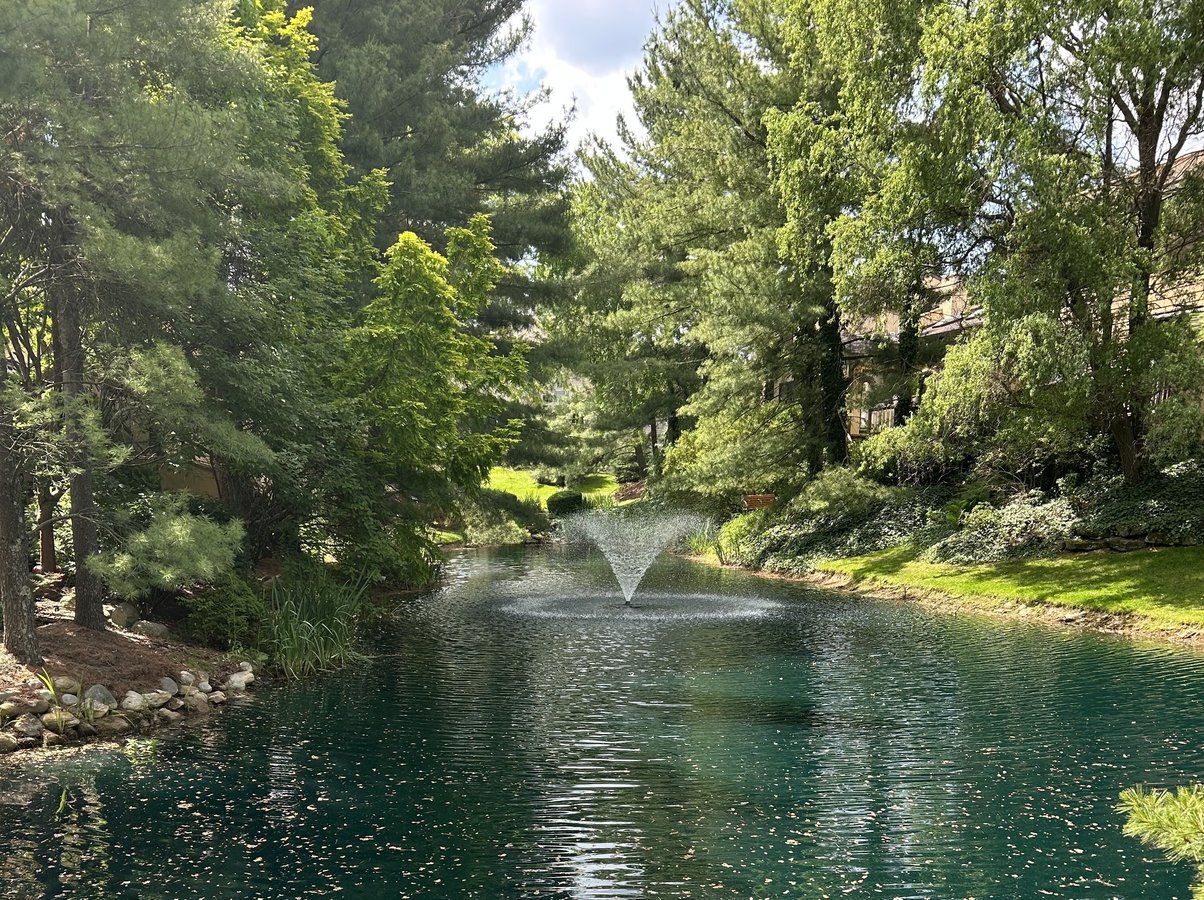
While decorative fountains can provide some surface movement, true pond aeration systems do much more than improve appearance.
Proper lake and pond aeration helps circulate oxygen throughout the entire water column, reducing stagnation and supporting beneficial biological activity. Aeration can help improve water quality, reduce muck accumulation, minimize odors, and support healthier fish populations.
In many cases, aeration is one of the most important long-term investments for pond health and sediment management.
Myth #4: Dredging Is the Only Solution for Muck
Dredging is sometimes necessary for severely impacted ponds, but it is not always the first or only solution.
Sediment buildup often develops slowly over many years as organic debris, stormwater runoff, leaves, and decaying vegetation accumulate on the pond bottom. Preventive management strategies can help slow this process significantly.
Beneficial bacteria programs, aeration, shoreline stabilization, watershed management, and nutrient reduction strategies may help reduce organic sediment accumulation and delay the need for costly dredging projects.
Myth #5: Stormwater Ponds Do Not Need Maintenance
One of the most common misconceptions is that stormwater ponds are “maintenance free.” In reality, stormwater ponds require regular inspections and maintenance to function properly.
Stormwater ponds are designed to capture sediment, nutrients, and pollutants before they enter nearby waterways. Over time, sediment buildup and excessive vegetation can reduce storage capacity and impact performance.
Neglected stormwater ponds may contribute to flooding issues, water quality violations, and compliance concerns for HOAs, commercial properties, and municipalities. Routine maintenance helps protect both infrastructure and regulatory compliance.
Myth #6: More Chemicals Mean Better Results
Overusing pond chemicals or relying solely on reactive treatments can sometimes do more harm than good.
Applying excessive herbicides or algaecides may create large amounts of decaying organic matter, which can rapidly reduce oxygen levels and stress fish populations. In some cases, improper treatment timing can even contribute to fish kills.
Successful lake and pond management requires a balanced, integrated approach that includes water quality management, nutrient control, aeration, and long-term ecosystem health.
Myth #7: Pond Problems Will Fix Themselves
Unfortunately, most pond problems worsen over time if left untreated. Nutrient pollution, erosion, algae blooms, sediment accumulation, and invasive weeds typically continue progressing without intervention.
The earlier issues are identified and managed, the more cost-effective solutions tend to be. Preventive pond management often helps avoid larger restoration expenses in the future.
The Truth About Pond Management
Healthy lakes and ponds require more than occasional treatments. Successful pond management involves understanding the entire ecosystem and addressing the root causes of water quality issues.
At Jones Lake Management, we help property owners and managers develop customized lake and pond management programs that improve water quality, protect aquatic life, support stormwater compliance, and extend the life of their waterbodies.
About Jones Lake Management
Since 1949, Jones Lake Management has been a trusted leader in lake and pond management, delivering scientifically backed solutions to create and maintain healthy, balanced, and beautiful waterbodies throughout the Midwest, Southeast and Texas. Our expert team offers a full range of services, including fish stocking, fisheries management, water quality monitoring, algae and aquatic weed control, aeration solutions, erosion control, invasive species management, hydraulic dredging, and more. Whether you manage a private lake, an HOA stormwater pond, a golf course water feature, or a municipal waterway, we provide customized solutions to ensure your waterbody remains healthy, functional, and thriving.
Discover our trusted lake and pond management partners nationwide—bringing expertise and care to communities across the country. From Aqua Services and Pond Lake Management in the Southeast, to Water and Wetland in New England, Savin Lake Services in Michigan, Wisconsin Lake and Pond Resource in Wisconsin, Aquatics Associates in Colorado, and Johnson Lake Management and Aquatic Features in Texas, each partner delivers premier service tailored to their region. Visit us at www.joneslakemanagement.com