Midwest & Southeast Lakes: Invasive Aquatic Plants to Watch
Lakes and ponds across the Midwest and Southeast United States are vital resources for recreation, wildlife habitat, irrigation, stormwater management, and property value. From HOA and golf course ponds to municipal lakes and private waterbodies, these systems support local ecosystems and community lifestyles.
However, aquatic invasive plants in Midwest and Southeast lakes and ponds are increasing concerns for property managers, municipalities, and landowners. Once established, invasive vegetation can spread rapidly, degrade water quality, and interfere with recreational use and maintenance.
Understanding the top invasive aquatic plants across these regions is the first step toward protecting your lake or pond.
Hydrilla (Hydrilla verticillata)
Hydrilla is one of the most aggressive invasive aquatic plants impacting lakes and ponds in both the Midwest and Southeast. This submerged plant grows rapidly, forming dense underwater forests that interfere with boating, fishing, irrigation, and swimming.
Hydrilla spreads easily via plant fragments and tubers, making it difficult to control once established.
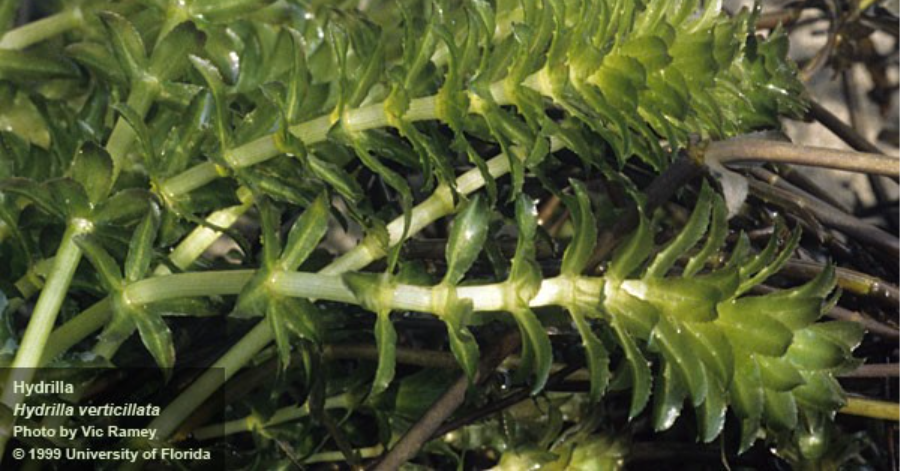
Hydrilla identification:
- Whorled leaves around the stem
- Serrated leaf edges
- Dense submerged growth reaching the surface
Regular inspection and professional lake vegetation management help prevent hydrilla from dominating waterways.
Eurasian Watermilfoil (Myriophyllum spicatum)
Eurasian Watermilfoil is a common aquatic invasive plant in the Midwest and Southeast. This submerged species forms thick underwater mats that outcompete native vegetation and disrupt aquatic ecosystems.
Because milfoil spreads through small plant fragments, even a single boat or piece of equipment can introduce it to a new lake or pond.
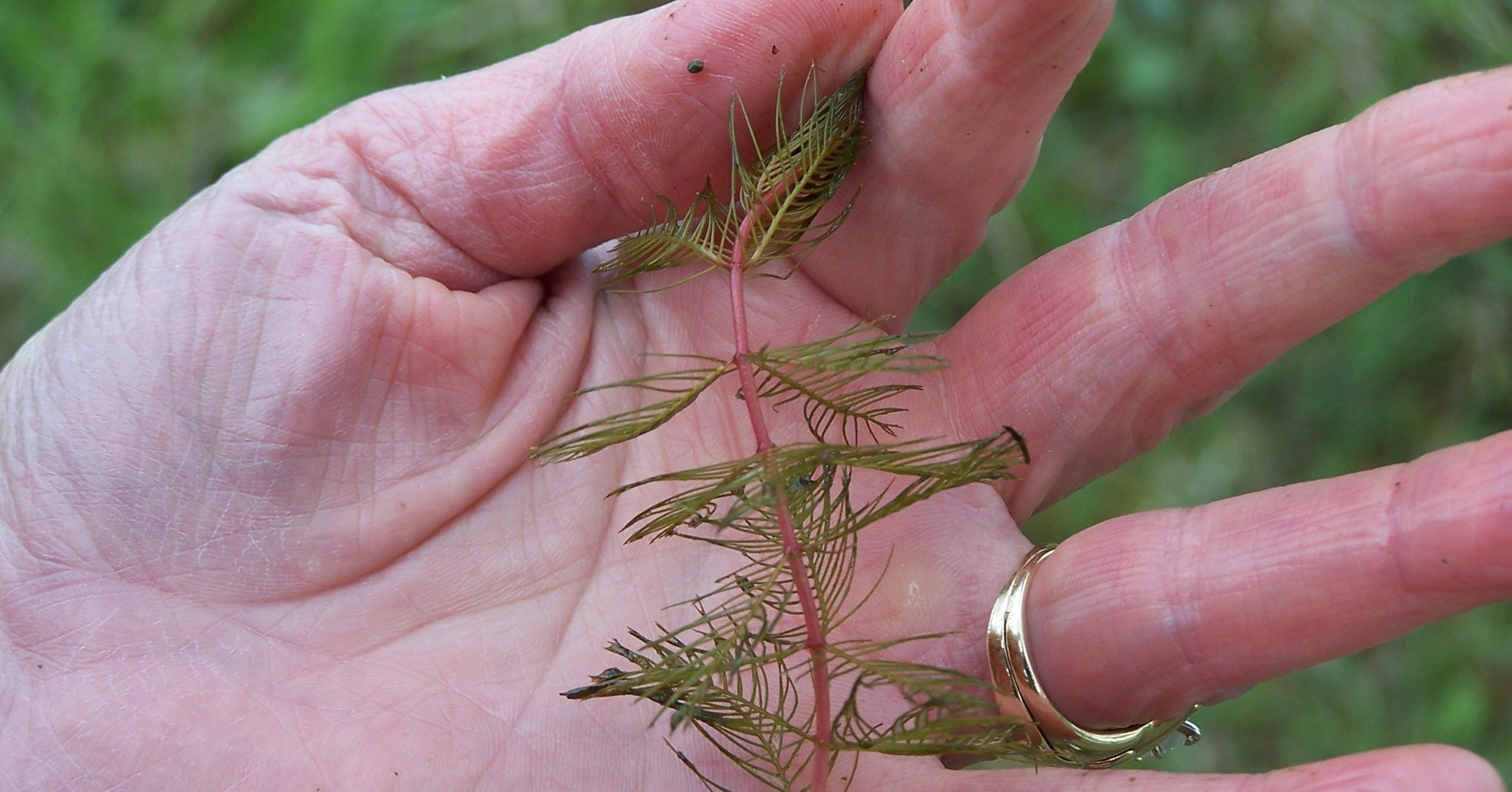
Common milfoil traits:
- Feather-like leaves arranged in whorls
- Rapid spread through fragmentation
- Dense underwater “forests”
Early detection and management through lake and pond vegetation control programs can keep Eurasian Watermilfoil from taking over.
Giant Salvinia (Salvinia molesta)
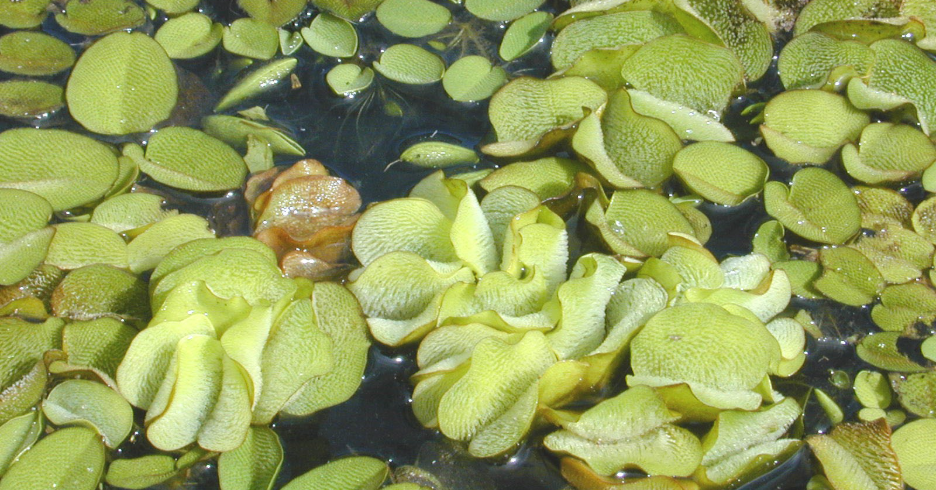
Giant Salvinia is a highly aggressive floating invasive aquatic plant found primarily in the Southeast, with increasing reports in warmer Midwest waters. This fern can double in size in as little as a week under ideal conditions.
Once established, Giant Salvinia forms thick mats that cover water surfaces, blocking sunlight and reducing oxygen — negatively affecting fish and wildlife.
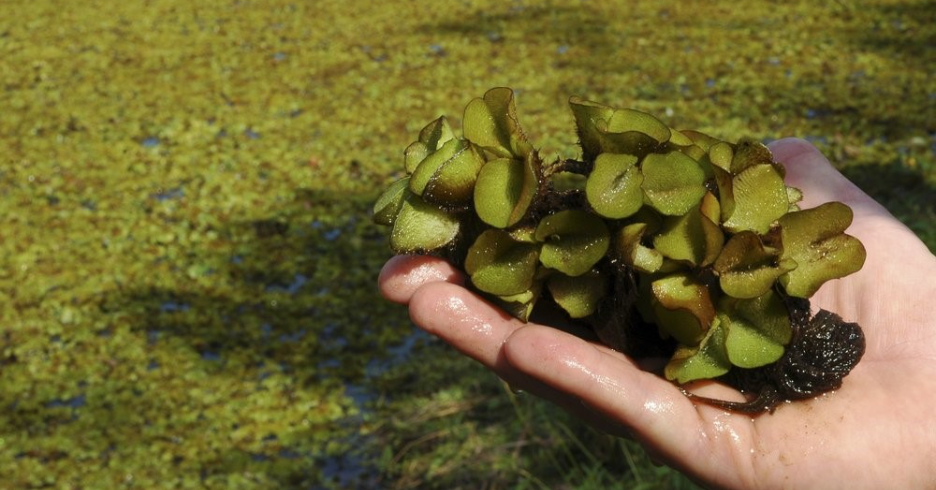
Warning signs:
- Floating clusters of small oval leaves
- Thick surface mats
- Rapid expansion in calm water
Proactive lake and pond weed control is essential to prevent large‑scale infestations.
Alligatorweed (Alternanthera philoxeroides)
Alligatorweed is common in the Southeast and parts of the Midwest, especially in slow‑moving or shallow water. It grows along shorelines and in water, creating dense mats that crowd out native plants and block drainage.
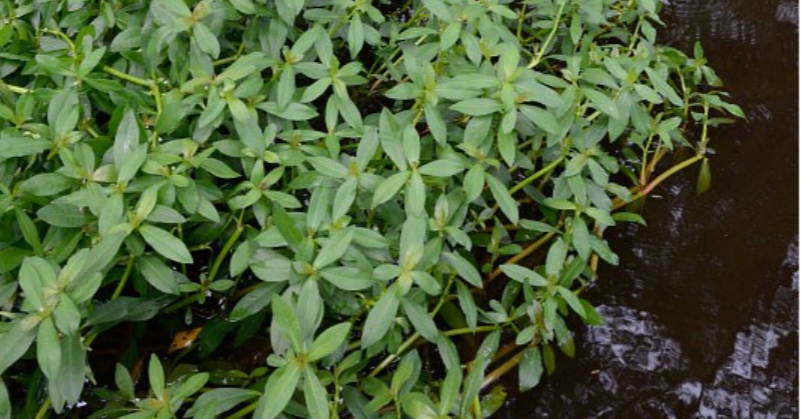
Impacts of alligatorweed include:
- Blocking irrigation and drainage channels
- Reducing native plant habitat
- Limiting recreational access
Early detection and regular aquatic invasive species monitoring can prevent alligatorweed from overtaking entire lakes or ponds.
Why Proactive Management Matters
The warm, nutrient‑rich environments found throughout the Midwest and Southeast provide ideal conditions for invasive plants to thrive. Once established, these species can:
- Decrease water quality
- Reduce oxygen levels
- Harm sport fish and wildlife habitat
- Limit recreation such as swimming, boating, and fishing
- Increase long‑term restoration and maintenance costs
Without proactive lake and pond management, infestations can quickly escalate and require costly long‑term control efforts.
Protecting Your Lakes and Ponds
Whether you manage a municipal lake, HOA waterbody, golf course pond, or private pond, early detection and a proactive management plan are your best defenses against aquatic invasives.
Jones Lake Management offers comprehensive lake and pond management services across the Midwest and Southeast, including:
- Routine aquatic vegetation monitoring
- Early invasive species identification
- Targeted aquatic herbicide treatments
- Long-term water quality improvement strategies
By planning ahead for invasive aquatic plants, property managers and landowners can protect water quality, preserve fish habitat, and maintain recreational access.
Contact Jones Lake Management today to schedule a professional assessment and keep your Midwest and Southeast lakes and ponds healthy year‑round.
About Jones Lake Management
Since 1949, Jones Lake Management has been a trusted leader in lake and pond management, delivering scientifically backed solutions to create and maintain healthy, balanced, and beautiful waterbodies. Our expert team offers a full range of services, including fish stocking, fisheries management, water quality monitoring, algae and aquatic weed control, aeration solutions, erosion control, invasive species management, hydraulic dredging, and more. Whether you manage a private lake, an HOA stormwater pond, a golf course water feature, or a municipal waterway, we provide customized solutions to ensure your waterbody remains healthy, functional, and thriving.
Discover our trusted lake and pond management partners nationwide—bringing expertise and care to communities across the country. From Aqua Services and Pond Lake Management in the Southeast, to Water and Wetland in New England, Savin Lake Services in Michigan, Wisconsin Lake and Pond Resource in Wisconsin, Aquatics Associates in Colorado, and Clear Water, Johnson Lake Management and Aquatic Features in Texas, each partner delivers premier service tailored to their region. Visit us at www.joneslakemanagement.com