Cloudy or green water is a symptom, not the problem itself. What clears it depends on what is behind it, and a treatment aimed at the wrong cause does little. Here is how to work out what is going on and what to do about it.
What Makes Pond Water Cloudy
Most clarity problems trace back to one of four causes:
- Suspended sediment. Clay and silt give water a brown, tan or muddy look. Stormwater runoff, eroding banks and bottom-feeding fish all stir it up.
- Planktonic algae. Single-celled algae turn water green when nutrients and sunlight are plentiful.
- Organic matter and sludge. Leaves, fish waste and uneaten feed settle on the bottom and break down. That releases nutrients and uses up oxygen.
- Low oxygen and poor circulation. Still, warm water favors algae and slows the bacteria that break down waste.
Algae and aquatic weeds are different problems. Algae has no roots, stems or leaves. Weeds are true plants that float, grow submerged or stand along the edge. This post covers cloudy and green water. Weed problems call for a different approach.
Step 1: Identify the Cause
Start with observation. Fill a clear jar with pond water and let it sit. Particles that settle point to sediment. Color that stays points to algae or dissolved organic matter. Then test the water. pH, ammonia, dissolved oxygen and nutrient levels tell you more than appearance alone.
This step matters because the fixes do not overlap. A flocculant that binds clay will not clear an algae bloom, and an algaecide will not clear clay.
Step 2: Reduce What Feeds the Problem
Clear water depends on keeping nutrients in check.
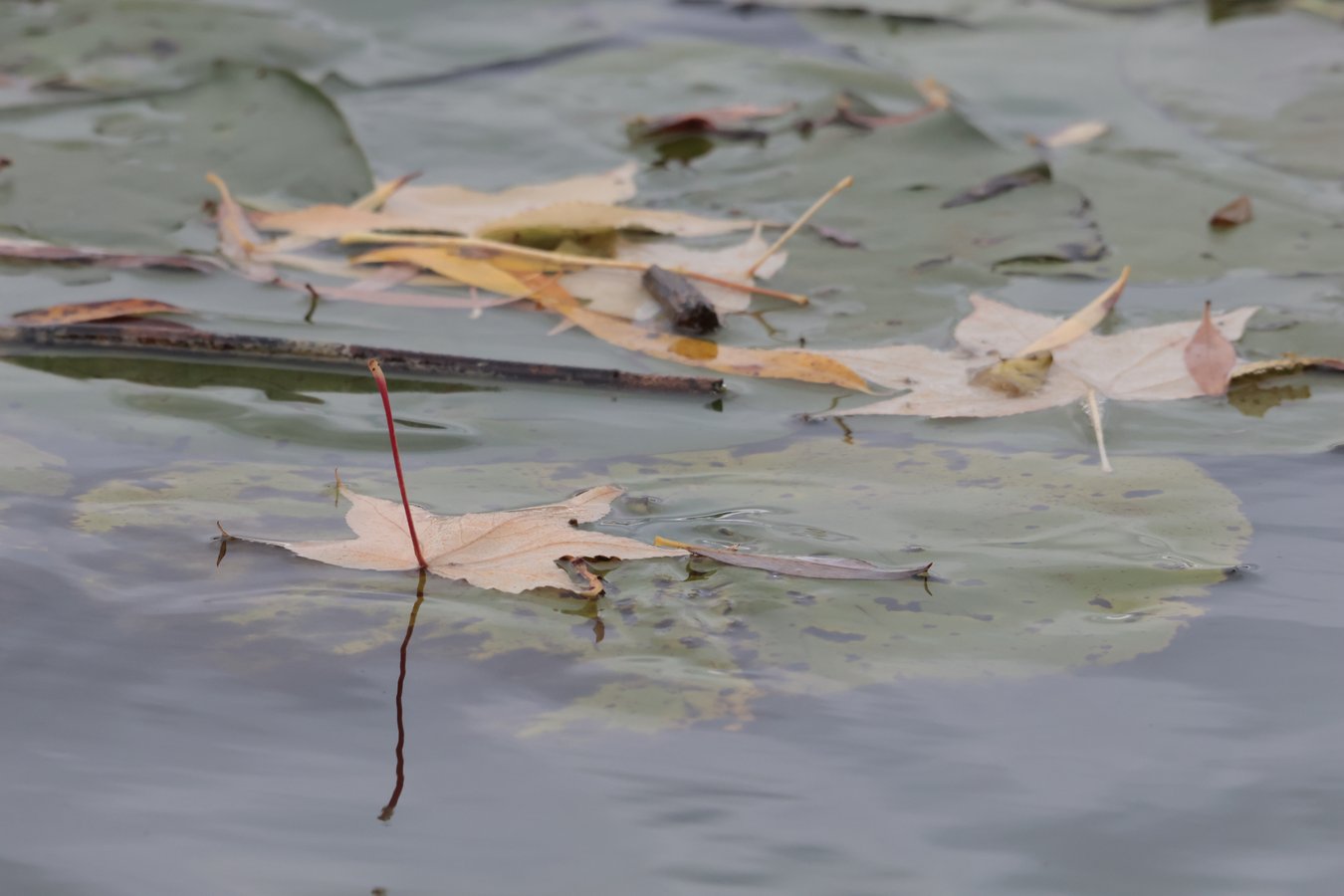
- Remove debris early. Skim or net leaves and floating material before they sink and decay. Keep skimmer baskets clean so flow is not restricted.
- Control runoff. Vegetated shoreline buffers and drainage that points away from the pond reduce the nutrients and soil washing in.
- Manage fish feeding. Uneaten feed and fish waste add nutrients and ammonia.
- Deal with sludge. Heavy bottom buildup keeps feeding algae. Beneficial bacteria help break it down. Heavier buildup may need mechanical removal.
Aeration, fountains and waterfalls move oxygen into the water. Warm water holds less dissolved oxygen, so low oxygen is a particular concern in summer. Higher oxygen supports the aerobic bacteria that digest organic matter.
Where a pond has a recirculating system, mechanical and biological filtration should be sized to the pond and kept clean.
Step 4: Treat the Clarity Problem Directly
- Sediment. Flocculants such as gypsum or alum bind fine particles so they sink. Product choice and amount depend on water chemistry. Alum can lower pH, so testing comes first.
- Green water. Beneficial bacteria compete with algae for nutrients. In systems with plumbing, a UV clarifier can clear suspended algae. In some cases algaecides are appropriate. They should be applied by licensed applicators following label and state rules.
Treating algae without reducing the nutrients behind it leaves the cause in place. Dead algae also decomposes, which uses oxygen and returns nutrients to the water, so oxygen should be monitored after treatment. Fish gasping at the surface is a sign to act on oxygen right away.
Clearing Water Is a Program, Not a One-Time Event
Water clarity is managed across the growing season. A sound program begins with an assessment, moves through staged treatments, and continues with monitoring and adjustment as conditions change.
Plans are also regional. Growing seasons, dominant species and state application rules vary, so the assessment has to happen at the pond.
Common Questions
Why is my pond water green? Green water is usually planktonic algae. It multiplies when nutrients from fish waste, decaying debris or runoff meet plenty of sunlight. Reducing nutrients and adding oxygen addresses the cause. Treatment addresses the bloom.
Can pond water be cleared naturally? Often, yes. Debris removal, runoff control, aeration and beneficial bacteria all work on the nutrients behind most clarity problems. Sediment may also need a mineral flocculant, which a biologist can match to your water chemistry.
When to Bring in a Professional
Larger ponds and lakes managed by HOAs, golf courses, municipalities and commercial properties rarely have a single cause or a single fix. JLM's team brings 500+ years of combined experience, including 250+ biologists on staff. Aquatic biologists and licensed applicators identify what is driving the problem, treat it, and reduce the nutrient load feeding it.
Contact JLM to schedule an assessment of your pond or lake.