Managing Fish During Spawning Season in Lakes and Ponds
Spawning season is one of the most critical times of year for fish populations in lakes and ponds. Proper fish management during this period directly impacts reproduction success, long-term population balance, and overall pond health. Whether you manage a private pond, HOA lake, or recreational fishery, understanding how to protect and support fish during spawning can significantly improve your results.
Why Spawning Season Matters
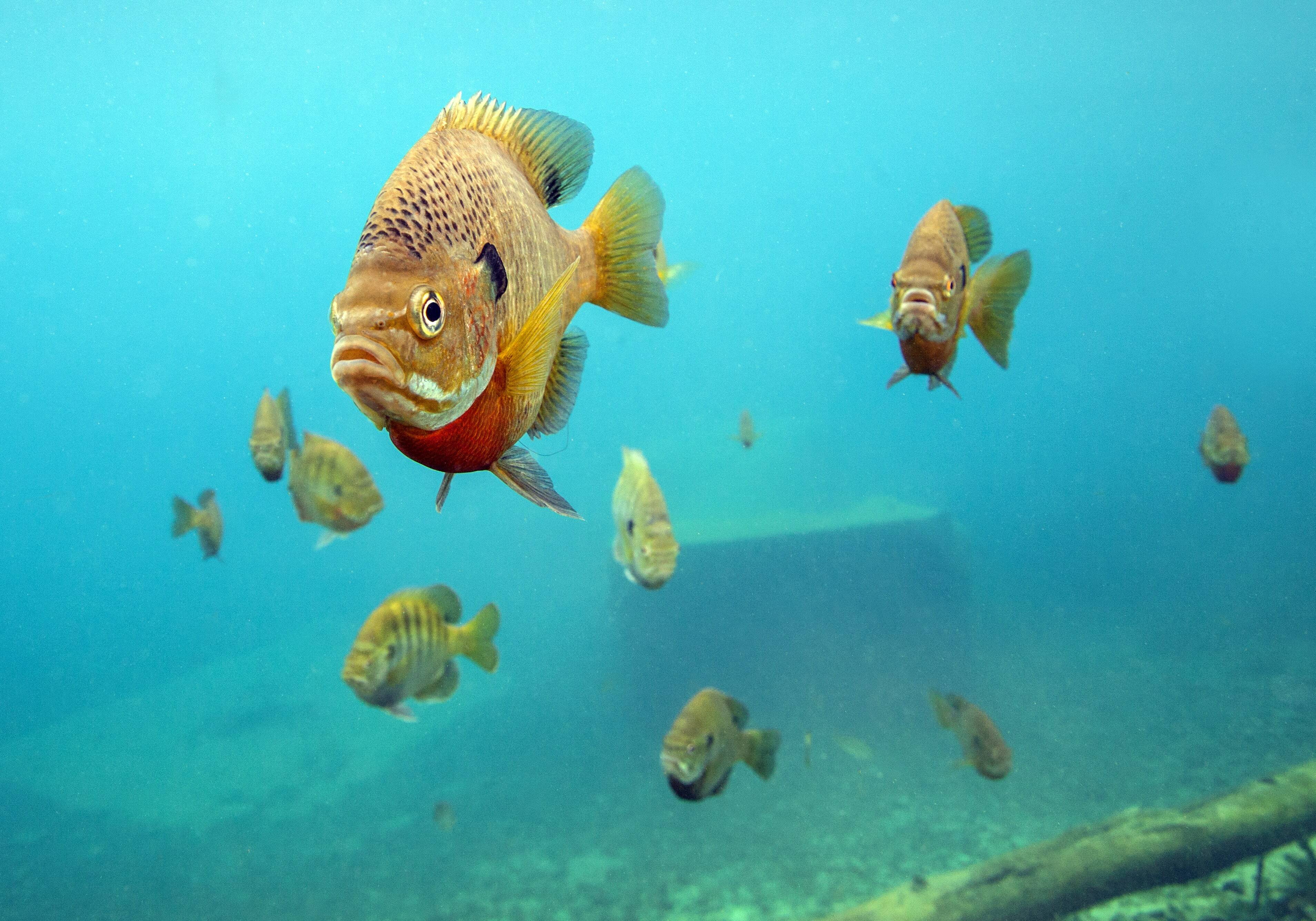
Fish spawning is when species reproduce, laying eggs in shallow, protected areas. Common warmwater species like bass, bluegill, and crappie rely on stable environmental conditions to ensure successful hatching and fry survival. Disruptions during this time, such as poor water quality, habitat loss, or overfishing, can reduce recruitment and lead to unbalanced fish populations.
Using proven pond management strategies during spawning season helps:
- Increase fish survival rates
- Improve year-class strength
- Maintain predator-prey balance
- Enhance long-term fishery health
Timing of Spawning in Lakes and Ponds
Spawning seasons vary based on species and water temperature. In most regions:
-
Bluegill and sunfish spawn when water reaches 65–75°F
-
Largemouth bass begin spawning around 60–70°F
-
Crappie typically spawn in early spring
Monitoring water temperature and seasonal trends is essential for effective lake and pond management.
Best Practices for Managing Fish During Spawning
1. Protect Spawning Habitat
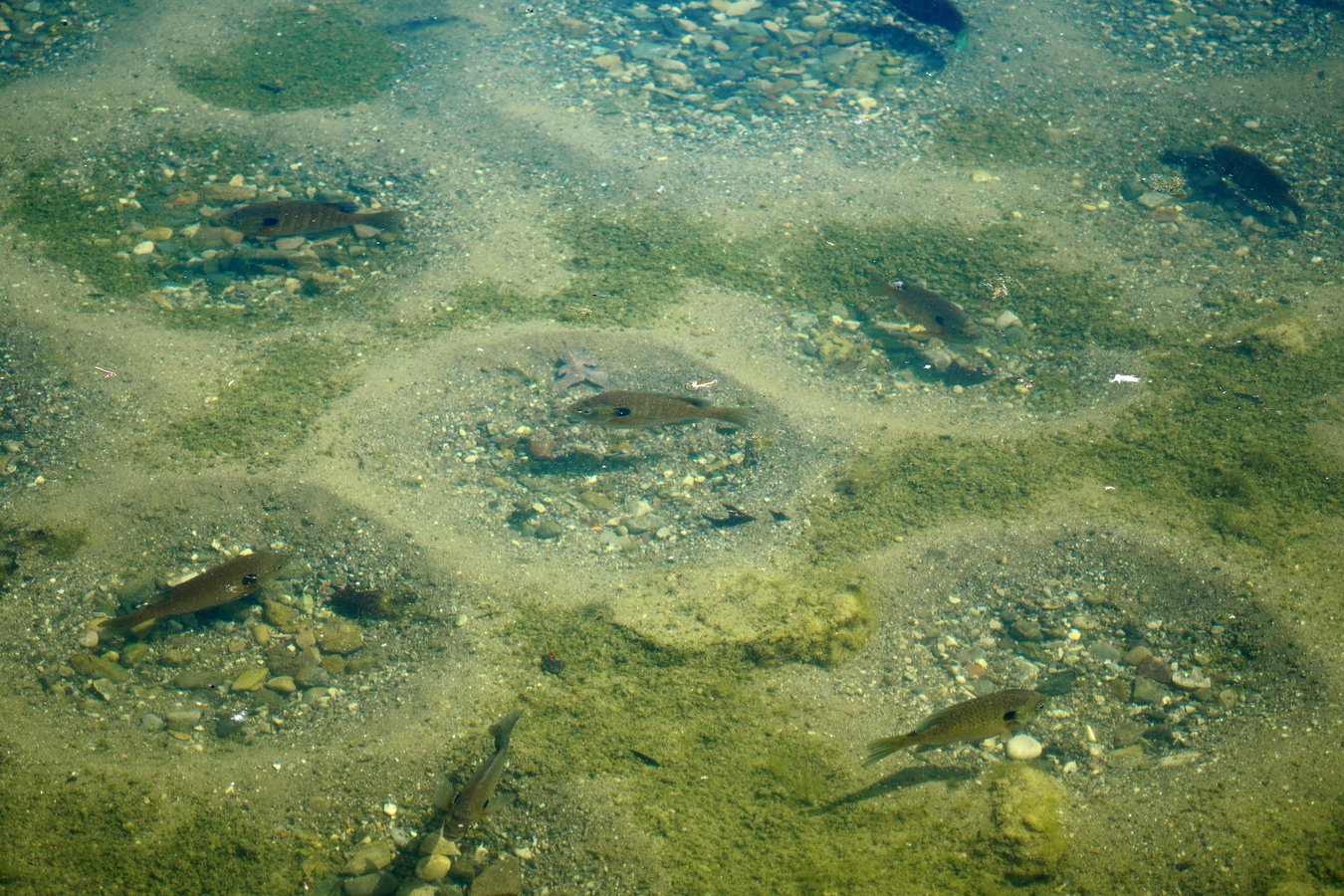
Healthy spawning habitat is key to successful reproduction. Fish often use shallow areas with firm substrates, vegetation, or structure for nesting.
To improve habitat:
- Maintain beneficial aquatic vegetation (not overgrown, but present)
- Add fish habitat structures like gravel beds, spawning mats, or brush piles
- Prevent shoreline erosion that can smother eggs with sediment
2. Minimize Disturbance
Fish are highly vulnerable during spawning. Nesting fish can abandon beds if stressed or disturbed.
Management tips:
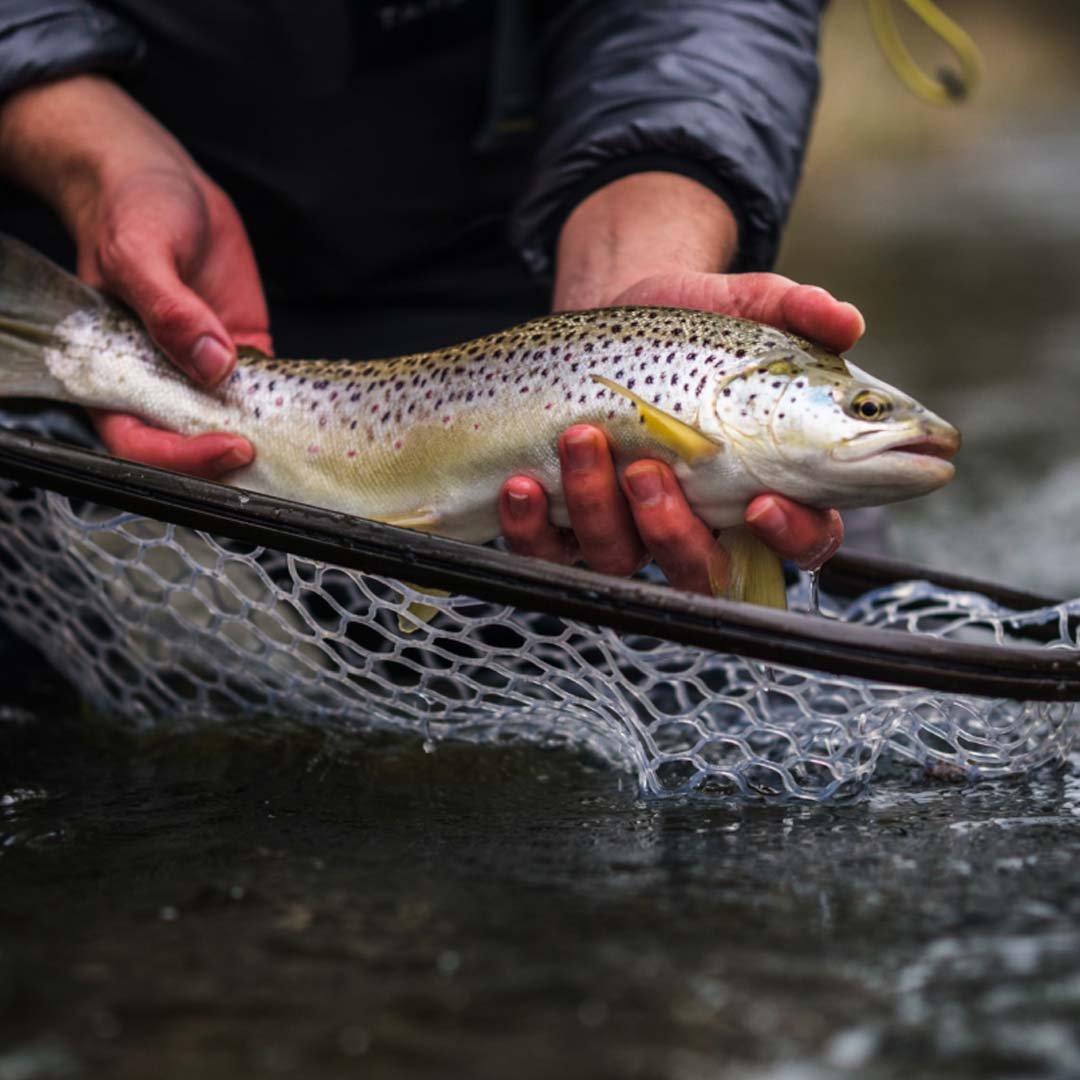
- Limit fishing pressure, especially catch-and-release targeting spawning bass
- Reduce shoreline activity in key spawning zones
- Avoid heavy equipment use near shallow water areas
3. Maintain Water Quality
Water quality plays a major role in egg survival and fry development. Poor conditions can lead to low oxygen levels, algae blooms, and fish kills.
Focus on:
- Maintaining dissolved oxygen levels above 5 mg/L
- Reducing nutrient runoff (nitrogen and phosphorus)
- Preventing excessive algae growth
Aeration systems are especially effective during warmer months to stabilize oxygen levels and improve overall pond health.
4. Manage Predator-Prey Balance
Balanced fish populations ensure that young fish survive without overpopulation issues later.
Key strategies:
- Avoid overharvesting predator species like bass
- Monitor forage fish populations such as bluegill and minnows
- Consider professional fish stocking if populations are out of balance
5. Control Aquatic Vegetation Carefully
While vegetation is essential for spawning, too much can create problems.
Best practices:
- Maintain 20–30% plant coverage for optimal habitat
- Use selective aquatic herbicide treatments if necessary
- Avoid whole-pond treatments during spawning season
Common Mistakes to Avoid
Many pond owners unintentionally harm fish populations during spawning season. Avoid these common issues:
- Overfishing spawning bass or panfish
- Drastic water level changes that expose nests
- Excessive algae or weed treatments
- Ignoring watershed runoff and nutrient inputs
Long-Term Benefits of Proper Spawning Management
When you actively manage fish during spawning season, you create a healthier, more resilient aquatic ecosystem.
Benefits include:
- Stronger fish populations year after year
- Improved fishing quality and size structure
- Reduced need for corrective stocking
- Better overall lake and pond balance
Final Thoughts
Managing fish during spawning season is one of the most impactful steps you can take in lake and pond management. By protecting habitat, maintaining water quality, and minimizing disturbances, you support natural reproduction and long-term success.
If you want to maximize your pond’s potential, consider working with a professional lake management company to develop a customized fishery management plan tailored to your goals.
About Jones Lake Management
Since 1949, Jones Lake Management has been a trusted leader in lake and pond management, delivering scientifically backed solutions to create and maintain healthy, balanced, and beautiful waterbodies throughout the Midwest, Southeast and Texas. Our expert team offers a full range of services, including fish stocking, fisheries management, water quality monitoring, algae and aquatic weed control, aeration solutions, erosion control, invasive species management, hydraulic dredging, and more. Whether you manage a private lake, an HOA stormwater pond, a golf course water feature, or a municipal waterway, we provide customized solutions to ensure your waterbody remains healthy, functional, and thriving.
Discover our trusted lake and pond management partners nationwide—bringing expertise and care to communities across the country. From Aqua Services and Pond Lake Management in the Southeast, to Water and Wetland in New England, Savin Lake Services in Michigan, Wisconsin Lake and Pond Resource in Wisconsin, Aquatics Associates in Colorado, and Johnson Lake Management and Aquatic Features in Texas, each partner delivers premier service tailored to their region. Visit us at www.joneslakemanagement.com