Dredging and Sediment Reduction in Lakes and Ponds
Sediment buildup is one of the most common, and costly, issues facing lake and pond owners. Over time, organic matter, runoff, and debris accumulate on the bottom, leading to reduced depth, poor water quality, and increased aquatic weed and algae growth. While dredging is often seen as the ultimate solution, proactive sediment management can significantly delay, or even prevent, the need for this major investment.
What Causes Sediment Buildup?
Sediment accumulation in lakes and ponds is primarily driven by stormwater runoff, erosion, decaying vegetation, and nutrient loading. Soil particles, fertilizers, and organic debris wash into the waterbody, settling at the bottom and gradually filling it in. This process, known as pond sedimentation, creates shallow areas that promote excessive aquatic plant growth and harmful algal blooms.
Without intervention, sediment can reduce water depth by inches, or even feet, over time, impacting both aesthetics and ecosystem health.
Proactive Sediment Reduction Strategies
The most cost-effective approach to managing sediment is preventing it from entering the water in the first place. Proactive lake and pond management strategies include:
1. Watershed Management
Addressing issues upstream is critical. Installing buffer strips, erosion control measures, and stormwater best management practices (BMPs) can significantly reduce sediment inflow.
2. Aeration Systems
Proper lake aeration improves oxygen levels, accelerating the breakdown of organic matter and slowing sediment accumulation. Aeration also enhances overall water quality and reduces muck buildup.
3. Beneficial Bacteria Treatments
Applying beneficial bacteria for ponds helps digest organic sludge naturally. These microbial solutions are effective for reducing muck layers and maintaining a balanced ecosystem.
4. Mechanical Debris Removal
Routine removal of leaves, algae, and plant debris prevents excess organic material from settling and contributing to sediment layers.
5. Shoreline Stabilization
Eroding shorelines are a major sediment source. Using riprap, native plants, or bioengineering techniques can protect banks and minimize soil loss.
When Dredging Becomes Necessary
Despite best efforts, there comes a point when sediment accumulation reaches a level where proactive management alone is no longer effective. When water depth is significantly reduced, fish habitat is compromised, or algae and weeds become unmanageable, lake dredging may be the only viable solution.
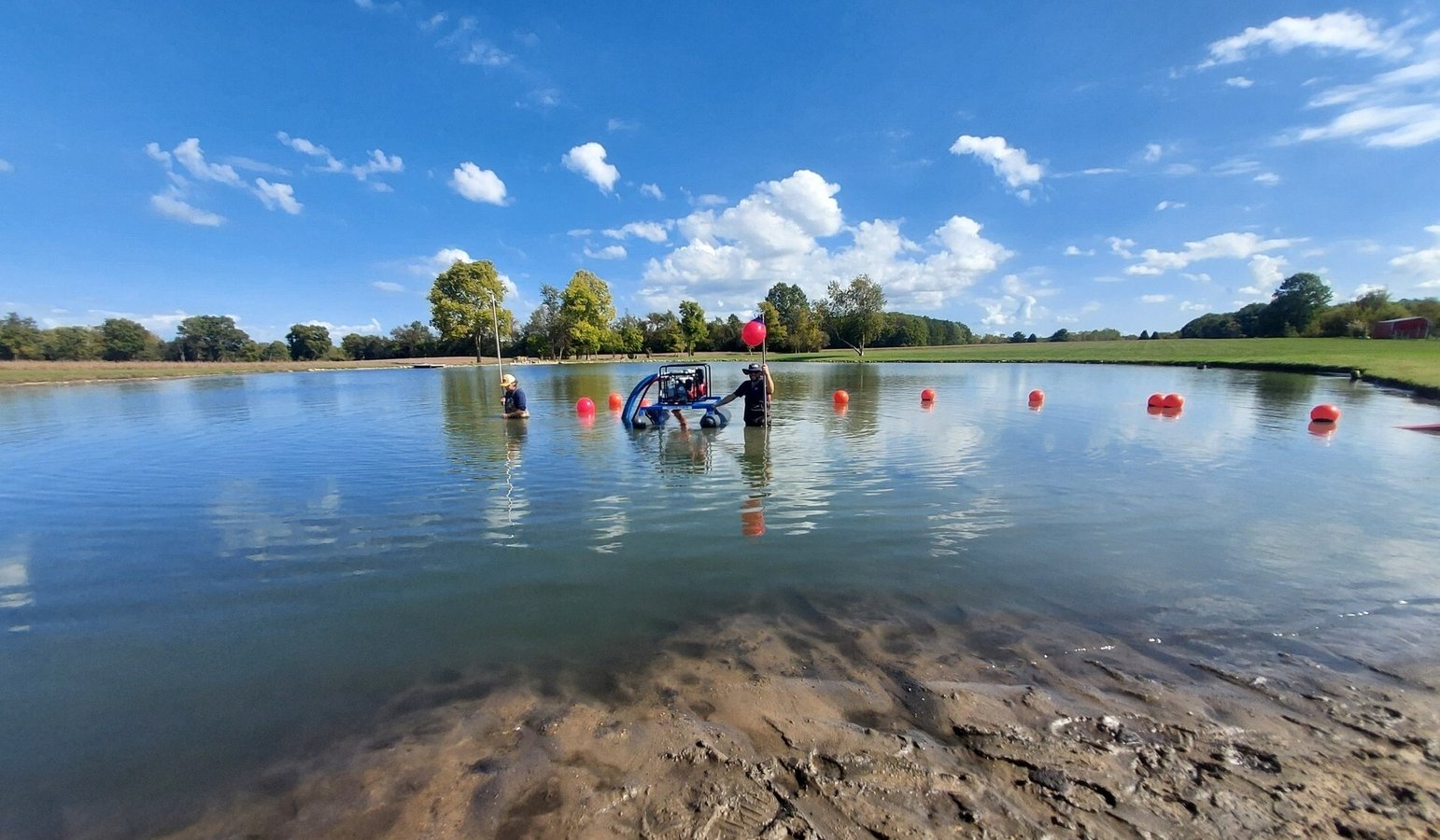
In some cases, spot dredging can be an effective alternative to full-scale dredging. This targeted approach focuses on problem areas, such as shallow coves, inlets, or high-sediment zones, rather than removing sediment from the entire waterbody. Spot dredging can help restore depth in critical areas, improve circulation, and reduce nuisance growth at a lower cost, making it a practical middle-ground solution when conditions allow.
However, when sediment is widespread throughout the lake or pond, full dredging may still be required to achieve meaningful, long-term results.
The True Cost of Dredging
Many lake and pond owners underestimate the cost of dredging.
Costs depend on factors such as:
- Sediment volume
- Site access
- Disposal requirements
- Permitting and environmental regulations
Because of this, budgeting for dredging should be part of long-term lake management planning. Waiting until conditions are severe can lead to emergency dredging, which is often more expensive and logistically challenging.
A Balanced Approach to Lake Management
The most effective strategy combines proactive sediment control with realistic long-term planning. Investing in sediment reduction solutions today can extend the life of your lake or pond and delay the need for dredging by years, or even decades.
At the same time, it’s important to recognize that dredging is not a failure, it’s sometimes a necessary reset. When paired with ongoing management practices, dredging, or targeted spot dredging, can restore a waterbody and set the stage for sustainable health moving forward.
Final Thoughts
If you’re noticing increased sediment, shallower water, or worsening algae blooms, now is the time to act. Implementing sediment control strategies, lake aeration, and beneficial bacteria treatments can protect your investment and improve water quality.
And if dredging is on the horizon, start planning early. With proper budgeting and a proactive management plan, you can ensure your lake or pond remains healthy, functional, and enjoyable for years to come.
About Jones Lake Management
Since 1949, Jones Lake Management has been a trusted leader in lake and pond management, delivering scientifically backed solutions to create and maintain healthy, balanced, and beautiful waterbodies throughout the Midwest, Southeast and Texas. Our expert team offers a full range of services, including fish stocking, fisheries management, water quality monitoring, algae and aquatic weed control, aeration solutions, erosion control, invasive species management, hydraulic dredging, and more. Whether you manage a private lake, an HOA stormwater pond, a golf course water feature, or a municipal waterway, we provide customized solutions to ensure your waterbody remains healthy, functional, and thriving.
Discover our trusted lake and pond management partners nationwide—bringing expertise and care to communities across the country. From Aqua Services and Pond Lake Management in the Southeast, to Water and Wetland in New England, Savin Lake Services in Michigan, Wisconsin Lake and Pond Resource in Wisconsin, Aquatics Associates in Colorado, and Johnson Lake Management and Aquatic Features in Texas, each partner delivers premier service tailored to their region. Visit us at www.joneslakemanagement.com